U.S. Media Reveals the Inside Story Behind Sora’s Shutdown: Losing $1 Million Daily, User Count Halved, and Losing Users to Competitors
TechFlow Selected TechFlow Selected
U.S. Media Reveals the Inside Story Behind Sora’s Shutdown: Losing $1 Million Daily, User Count Halved, and Losing Users to Competitors
As OpenAI prepares for its IPO, the company has decided to shut down Sora—a move that caught its partner Disney off guard.
 Navigating Web3 tides with focused insights
Earlier this month, when OpenAI CEO Sam Altman arrived in Los Angeles to attend Vanity Fair’s Oscars after-party, his company was just weeks away from licensing its Sora video-generation tool to major Hollywood studios.
Following ChatGPT’s massive success, Sora had been hyped as the next frontier of consumer-facing AI. This easy-to-use app allowed users to insert themselves and their friends into various video scenes—whether dribbling like members of the Harlem Globetrotters or engaging in lightsaber duels with Star Wars’ Darth Vader.
Then-Disney CEO Bob Iger also saw promise in the technology, agreeing to invest $1 billion in OpenAI and permitting Disney-owned characters—including those from Marvel and Pixar—to appear in videos generated by Sora. Equally important, amid widespread industry concerns about AI threatening creative jobs, he bestowed upon this emerging technology Disney’s invaluable stamp of authority.
The Compute Burden
Yet OpenAI abruptly decided to shut down Sora.
Disney executives were stunned—many learned of the decision less than an hour before it was publicly announced. What they didn’t know was that, over the months since its launch, Sora had quietly become a major burden for OpenAI—especially as the startup accelerated its strategic realignment ahead of its initial public offering (IPO).
At the time, OpenAI was only weeks away from completing its new AI model, codenamed “Spud,” requiring additional compute resources to support coding tools and enterprise products running on that model. AI chips are the most precious resource at any top-tier research lab—and at OpenAI, Sora was consuming too many of them.
Moreover, Sora wasn’t yet profitable, and every user inserting themselves into WWII newsreels or Hollywood-style chase sequences was draining limited computing capacity.
A Strategic Miscalculation
Today, Sora looks like a costly strategic miscalculation—and the key personnel who led the project now sit at the center of Silicon Valley’s fierce AI talent war.
Altman described the shutdown of Sora as a difficult but necessary sacrifice toward achieving larger goals. In a memo to employees, he wrote that he was deeply encouraged to see people willing to make “hard trade-offs” for the company’s benefit.
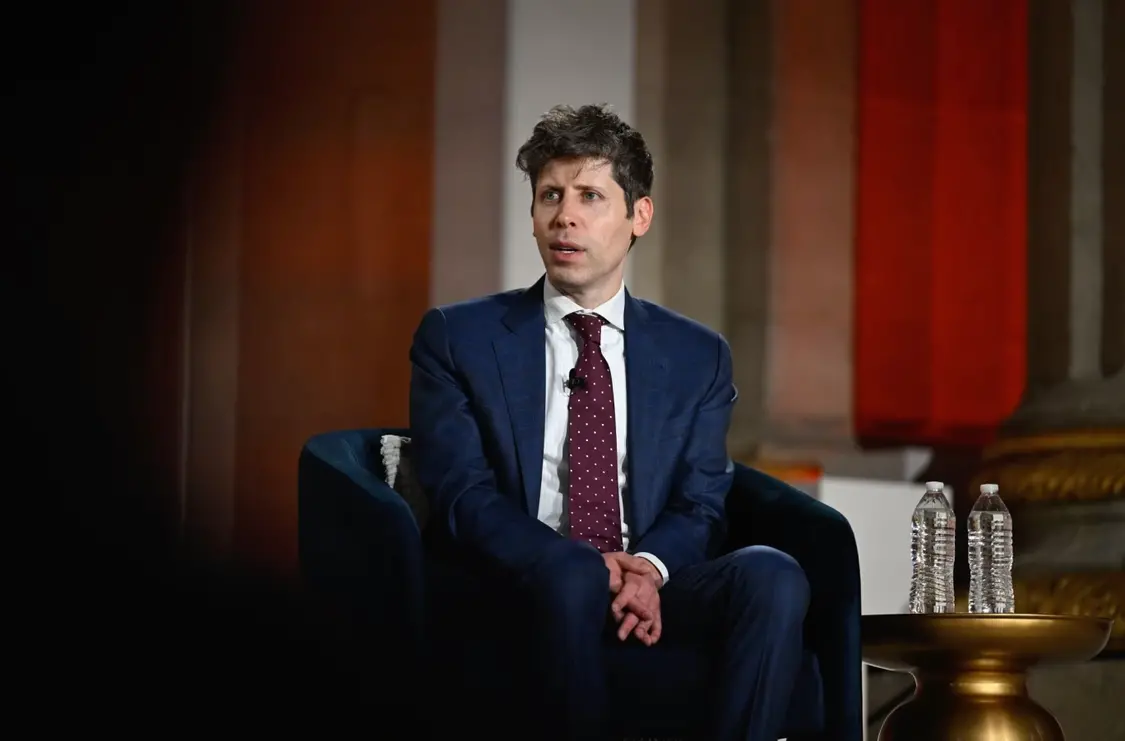
Altman
The decision brought a shocking end to a project Altman had once held in high regard. He had envisioned Sora transforming OpenAI into a creative vanguard of the AI era—and generating substantial new revenue.
Two years ago, OpenAI first unveiled Sora globally, showcasing dreamlike landscapes generated by the technology—reminiscent of Hayao Miyazaki’s fantasy worlds or Salvador Dalí’s surrealist paintings. Last September, when OpenAI launched a standalone consumer Sora app, Altman likened the moment to the company’s original ChatGPT release.
Yet the app never achieved the popularity its developers had envisioned—it felt more like low-quality AI content than AI-powered creative wonder. By year-end, usage had plateaued.
Shortly after launch, global users peaked at around one million—but never reached that level again. According to AI research firm Similarweb, user numbers fell below 500,000 in the following months.
A source familiar with the matter revealed that Sora was losing roughly $1 million per day. As OpenAI tightened its financial belt ahead of its IPO, executives began scrutinizing Sora more critically—and the results were unimpressive.
At the time, OpenAI’s research team was preparing to train a new model designed to power video generation within ChatGPT. Unlike language models trained on text, video models must understand the entire dynamic world—making them significantly more expensive to build. After carefully assessing the costs involved, OpenAI decided to cancel Sora.
OpenAI plans to pivot toward building a new “super app” integrating so-called AI agent tools—autonomous systems capable of performing tasks for users, such as writing software, analyzing data, and booking travel. Such productivity-focused products are gaining traction across labor markets—and OpenAI currently trails competitor Anthropic in this race, threatening its leadership position in the broader AI competition.
Altman told employees that the Sora team would next focus on longer-term strategic initiatives, including robotics.
An OpenAI spokesperson said the company is rigorously prioritizing compute resources based on areas offering the greatest long-term economic value. She added: “This careful, focused allocation of compute enables us to scale, accelerate innovation, and serve enterprises and developers more efficiently.”
Zuckerberg’s Talent Raid
Sora was the brainchild of Tim Brooks and Bill Peebles—two researchers who became close friends while pursuing PhDs at UC Berkeley. They joined OpenAI in early 2023 with the goal of building models capable of simulating the physical world through high-fidelity video generation from text.
Sora belonged to OpenAI’s World Simulation team, led by Aditya Ramesh. This division operated independently from OpenAI’s core research team, which develops the large language models powering ChatGPT.
Last spring, Meta CEO Mark Zuckerberg launched an all-out talent raid on OpenAI, personally contacting dozens of its top researchers with lucrative compensation packages to join his new AI lab. One of his targets was Peebles, who received an offer and briefly considered joining Meta.
According to sources, OpenAI retained Peebles by increasing his salary. Shortly thereafter, his responsibilities on the Sora project expanded—he oversaw training of the new video-generation model and development of Sora’s consumer application.
Disney’s AI Dream
Despite Sora’s $1 million daily losses, OpenAI had attempted to find a viable path forward. In December last year, it announced a multi-year agreement with Disney granting OpenAI rights to use over 200 characters from the entertainment giant’s film library. As part of the deal, Disney agreed to become OpenAI’s anchor customer and invest $1 billion.
Speaking to CNBC, Iger said the deal gave Disney a chance to participate in the rapid evolution of AI and new media entertainment. Altman said he hoped the collaboration would unlock new ways for users to express creativity with AI.
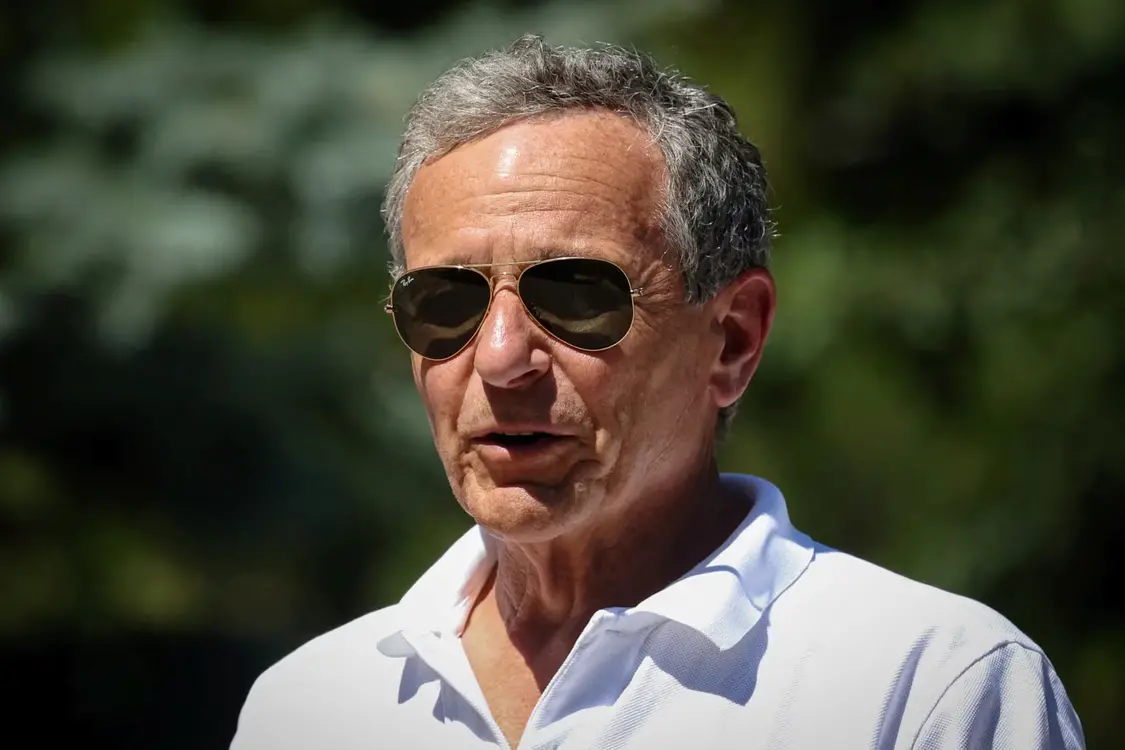
Former Disney CEO Iger
For Disney, the deal demonstrated a viable business model for AI licensing built around its intellectual property. The announcement came just one day after Disney sent Google a cease-and-desist letter accusing the tech giant of “massive copyright infringement.”
Cloud-Based Solutions
In February, Iger stated on a quarterly earnings call that short videos generated by Sora would soon appear on Disney+, the streaming platform then preparing to roll out a vertical-video feed. Sources say Disney was also negotiating with OpenAI to deploy ChatGPT company-wide.
Over recent weeks, OpenAI began piloting an enterprise version of Sora, enabling companies like Disney to use the tool under secure conditions. Disney had anticipated launching the tool as early as this spring, allowing select executives to apply Sora across functions—from marketing campaign design to visual effects production—without granting OpenAI access to their work content.
But OpenAI was already considering how to withdraw from the Sora project. Its gap with rival Anthropic widened further, and Anthropic’s recent technical advances reignited concerns that AI might displace traditional software and services—briefly triggering a sharp decline in software stocks. OpenAI realized it needed to allocate more resources to building these so-called productivity tools—and began deprioritizing certain domains.
After initially planning to continue offering video generation via ChatGPT, the company ultimately decided to shut down Sora entirely.
Disney’s $1 billion investment in OpenAI never materialized, and the relationship effectively stalled.
According to a source familiar with the matter, under new CEO Josh D’Amaro, Disney is actively negotiating with more than a dozen partners on how to deploy alternative AI tools.
Real-Time Updates
In a statement, Disney said: “As the emerging AI landscape evolves rapidly, we respect OpenAI’s decision to exit the video-generation business and refocus its priorities. We thank both teams for their constructive collaboration and the valuable insights gained.”
On Sora’s X account, the team posted a message resembling a digital obituary: “To everyone who created, shared, and built community around Sora—thank you.”
Join TechFlow official community to stay tuned
Telegram:https://t.me/TechFlowDaily
X (Twitter):https://x.com/TechFlowPost
X (Twitter) EN:https://x.com/BlockFlow_News