The Mastermind Behind the Encrypted Chat Scam: How We "Legally" Engineered a Multi-Million Dollar Fraud
TechFlow Selected TechFlow Selected
The Mastermind Behind the Encrypted Chat Scam: How We "Legally" Engineered a Multi-Million Dollar Fraud
"A successful marketing campaign, promoted through multiple KOLs, can easily earn around $69 million." — Mr. X, cryptocurrency scam operator
 Navigating Web3 tides with focused insights
Compilation & Translation: TechFlow
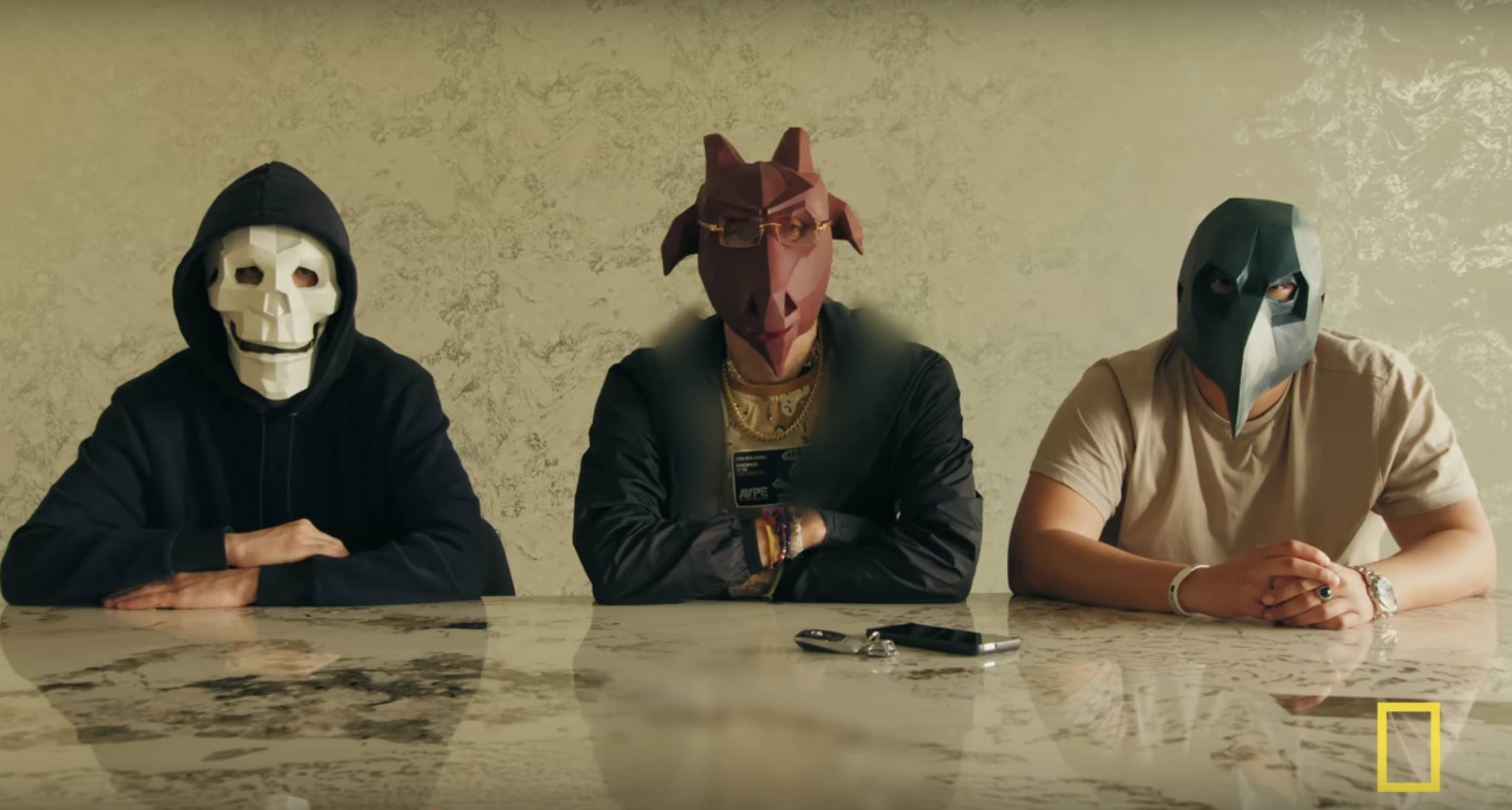
Host: Mariana Van Zeller
Video Source: National Geographic
Original Title: Crypto Scams (Full Episode) | Trafficked with Mariana Van Zeller | Nat Geo
Air Date: March 3, 2025
The Shadow of Dubai: A Scammer's Confession
In a luxury villa on Dubai’s Palm Island, a mysterious figure sits for an interview. The villa rents for $15,000 per week, and sunlight glints off the $250,000 worth of jewelry adorning his wrists. "It's a legal way of stealing," he says casually, a hint of unsettling pride in his voice. Known only as "Mr. X," this cryptocurrency scam operator calmly describes how he can design a fraud scheme capable of stealing tens of millions of dollars in just 15 minutes—as if discussing something utterly mundane.
Through this exclusive interview, National Geographic’s *Trafficked* host Mariana Van Zeller reveals a little-known side of the crypto world—the methods used to steal billions of dollars annually from ordinary investors. From the architects of scams to victims who lost everything, to FBI agents fighting these crimes, this episode offers a panoramic view of the brutal reality behind a digital wealth era that is almost entirely unregulated.

Highlights from the Interview
Mr. X (Scam Operator)
-
"It's a legal way of stealing. It's a legitimate way to make money."
-
"A successful marketing campaign, promoted through multiple KOLs, can easily earn around $69 million."
-
"In Dubai, we know privileged people who can help us get out of trouble. There are no lawsuits here—we can escape many things."
-
"That’s because they’re weak-minded. Don’t invest money you can’t afford to lose, got it? Who would do that?"
-
"If you’re going to put your life savings into a token without even doing a five-minute Google search, I think you’re the dumbest person on Earth."
-
"How could we get caught? Who’s going to catch us? Crypto police? No one helps those investors."
Robert (Victim Turned Volunteer Investigator)
-
"When the dust settled, I was left with $86. It’s indescribable—emotionally devastating."
-
"We may have saved thousands of people from losing millions. But it’s not easy—we’ve even received death threats."
-
"We monitor newly launched tokens for signs of suspicious activity. For example, if a token drops 85% in 24 hours but only 3% in the last hour, that usually means someone is dumping large amounts."
-
"A legitimate project will go to great lengths to prove fund security, not avoid questions."
-
"When developers get defensive or kick questioners out of chat rooms when challenged, that’s almost certainly a red flag for a scam."
Xavier (Cryptocurrency Enthusiast)
-
"It’s shocking how many people can do this and still walk free. I personally know people who lost their life savings."
-
"I’ve been scammed 7 or 8 times myself—first time I invested $500, next time nearly $10,000."
-
"People don’t like reading or researching—they just blindly follow trends and social media influencers."
-
"There are no rules or protections in decentralized finance. Once you’re scammed, you’re on your own—there’s no way to recover funds."
FBI Representative
-
"We often hear claims that cryptocurrency exists in gray areas—that it’s not real money, so financial rules don’t apply. But when individuals invest based on specific promises that aren’t fulfilled, that’s fraud. Fraud is fraud."
-
"We frequently see predatory actors being the first to exploit new technologies. In the past year alone, we’ve seen crypto-related fraud grow exponentially."
-
"People say the FBI always gets its target—whether today or tomorrow. Those trying to harm our system should remain vigilant, because we are watching."
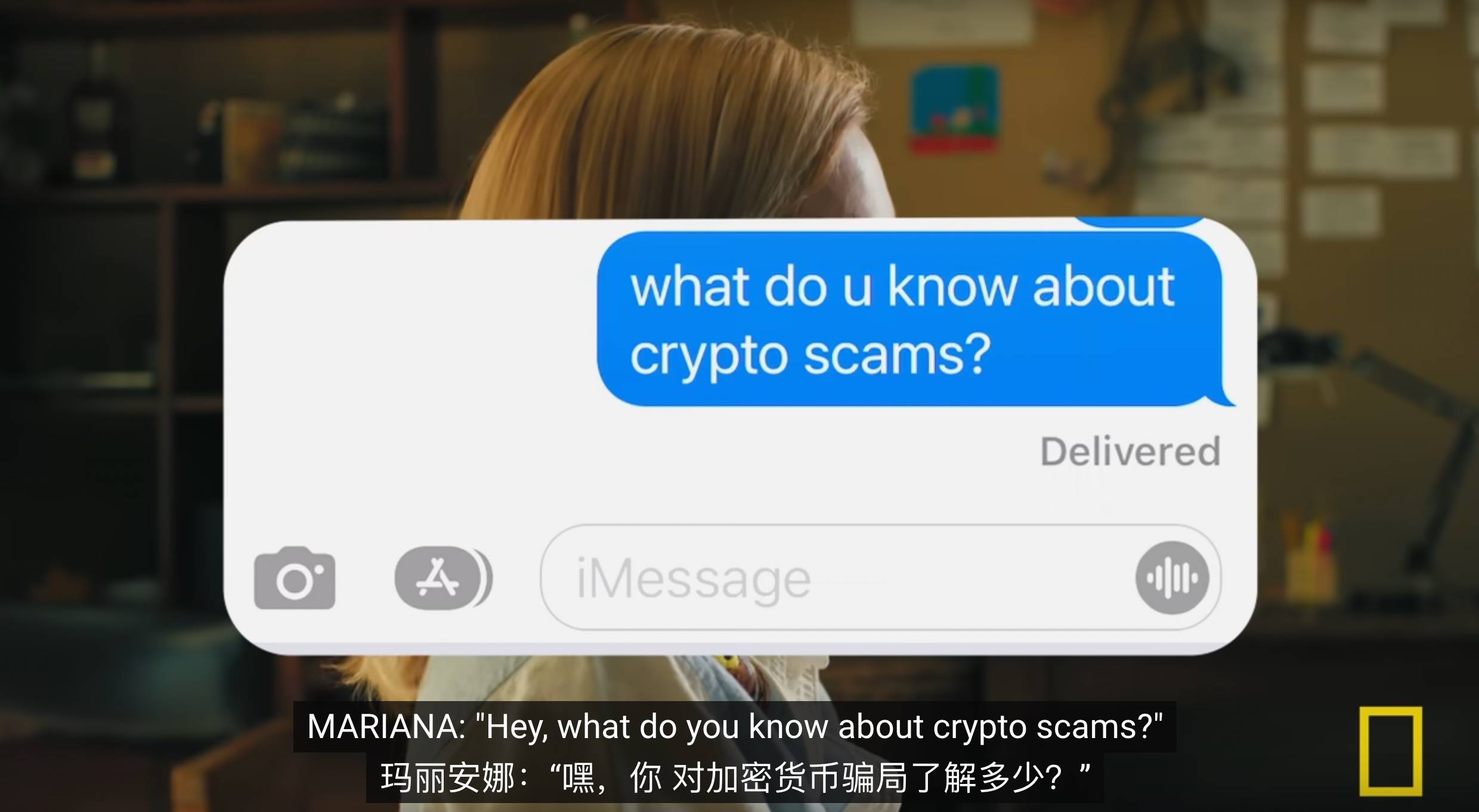
How “Rug Pull” Scams Work
Mariana: Can you explain how a "Rug Pull" scam works?
Xavier (Cryptocurrency enthusiast, who initially explains the scam to host Mariana):
Let me use a margarita to explain how this scam operates. When we launch a token—say, a fraudulent one—the scammers have already bought up large quantities at very low prices. As people start buying and the price rises, liquidity and value increase. More investors pour in, and social media promoters keep pushing the product.
New, inexperienced investors see this and think: "I need to jump in now—it looks amazing, keeps rising, everyone’s buying." Then, right at the peak of hype, the scammers execute a "Rug Pull"—they sell all their holdings and crash the price. That’s a "Rug Pull" scam.
It’s shocking how many people can do this and get away with it. I personally know people who lost their entire life savings this way.
Mariana: How important is understanding this scam for average investors?
Xavier:
Extremely important. I’ve been scammed 7 or 8 times myself—first time I invested $500, then next time nearly $10,000. That’s the problem—people don’t like reading, don’t like researching, they just blindly follow trends and social media KOLs. But in decentralized finance, there are no rules, no protections. Once you’re scammed, you’re on your own—no chance of recovering funds.
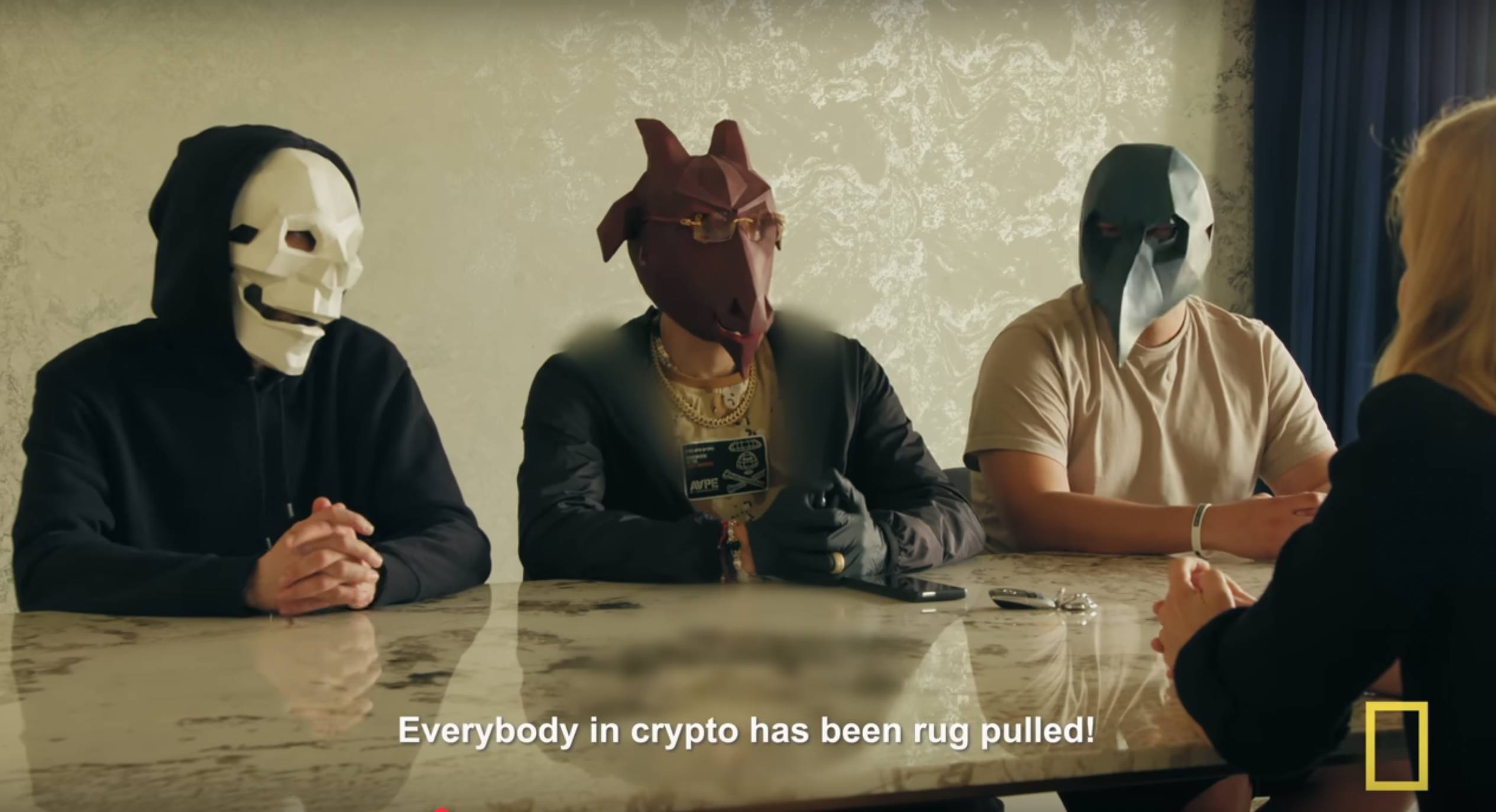

Insider Reveals: Conversation with Mr. X
Mariana: Have you ever been a victim yourself?
Mr. X:
Yes, every crypto trader has experienced a "Rug Pull." So I thought, since this happens anyway, why not figure out how they do it—and make money like they do?
Mariana: Why did you become interested in this?
Mr. X:
Because it’s easy money. Easy Money.
Mariana: How much can you make from one scam?
Mr. X:
A successful marketing campaign, promoted through multiple influencers, can easily earn about $69 million.
Mariana: Don’t you think this is stealing?
Mr. X:
No, it’s a "legal way of stealing." It’s a legitimate way to make money.
Mariana: If it’s legal, why wear masks? Why not do this openly?
Mr. X:
Because my face is recognizable to many. This is my promoter (Shiller), he has hundreds of thousands of followers and connections with celebrities. If we were identified, it would end our lifestyle.
Mariana: What does your lifestyle look like?
Mr. X:
Luxurious. We rent six villas in Dubai, each costing $15,000 per week. Our team of 20 travels together. The jewelry I wear daily is worth over $250,000. We drive cars worth hundreds of thousands, live in the most expensive area on Palm Island. Here in Dubai, we know powerful people who can protect us. There are no lawsuits—we can escape many consequences.
Mariana: Do you feel any guilt toward those who lost everything? We’ve heard some people have committed suicide because of such scams.
Mr. X:
That’s weak-minded. Don’t invest money you can’t afford to lose, understand? Who would do that?
If you’re going to invest your life savings into a token without even doing a five-minute Google search, I think you’re the dumbest person on Earth.
Mariana: Aren’t you worried about getting caught?
Mr. X:
How could we get caught? Who’s going to catch us? Crypto police? No one helps those investors.
We’re not worried about the law catching up. It’s practically impossible. Almost impossible to detect where we are or track us down.
Mariana: Where do you spend the money?
Mr. X:
Investments, bank accounts, family accounts, accounts of people with legitimate businesses, shoes, clothes, designer brands, jewelry. I feel fantastic—this is freedom.
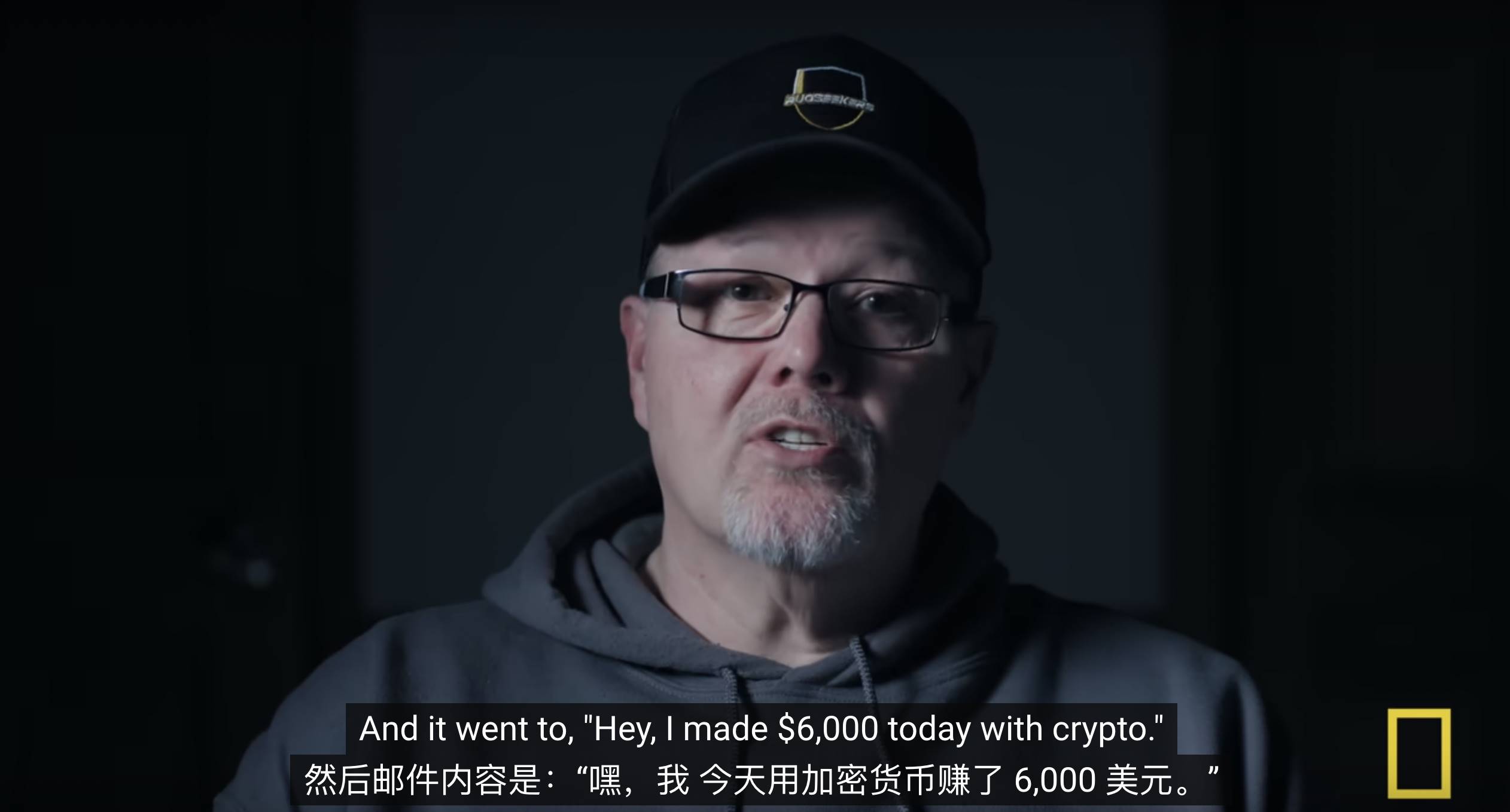
From Victim to Volunteer Investigator
Robert (Cryptocurrency scam victim turned volunteer investigator):
A few years ago, I had cancer, which gave me more time to slow down and reflect on life and investments. One day, my son came to me and said, "Hey Dad, check out cryptocurrency." I started researching and investing, and made some good returns.
Then one day, I joined a token launch. It had been delayed several times, and the developers were young and not fully transparent. On launch day, they dumped all their tokens—it looked exactly like a massive "Rug Pull." When the dust settled, I was left with $86. It’s indescribable—emotionally devastating. Knowing others were going through the same thing, I decided I had to act—and it had to start with me.
Now we offer bounties to encourage people to report suspicious activities. In the last 30 days, we’ve paid out about $17,500 in rewards. This money comes from our own token, funding our mission.
We may have saved thousands of people from losing millions. But it’s not easy—we’ve even received death threats.
Mariana: How do you spot scams?
Robert:
We monitor newly launched tokens for red flags. For instance, if a token drops 85% in 24 hours but only 3% in the last hour, that usually means someone is dumping heavily. We join their online chats and AMAs, asking direct questions.
When project developers become defensive or kick questioners out of chat rooms when challenged, that’s almost certainly a scam. A legitimate project will go to great lengths to prove fund safety instead of avoiding questions. We once helped an investor who had already invested in a project we confirmed as a scam—our warning helped him avoid even greater losses.
Law Enforcement Perspective
FBI Representative:
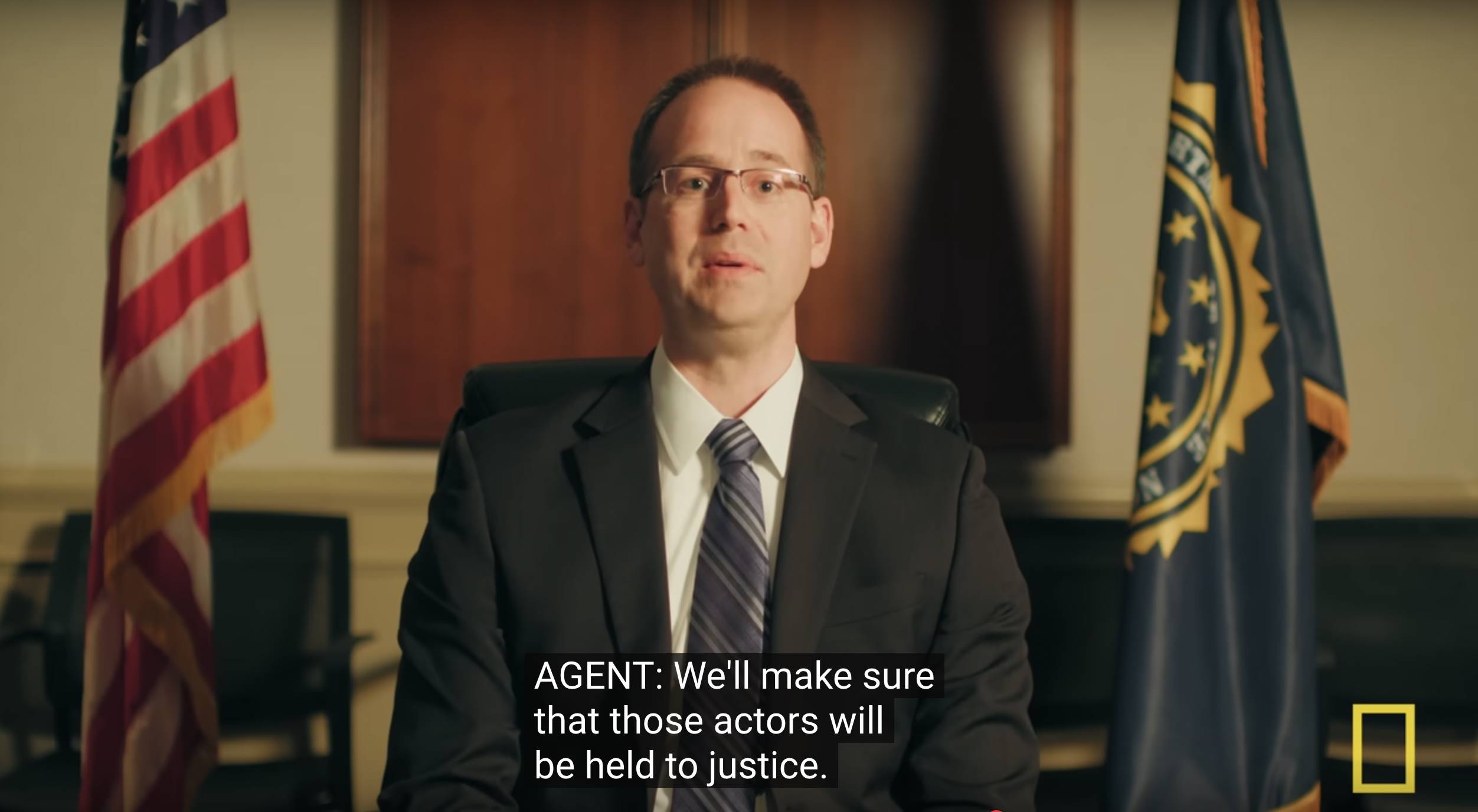
The FBI has encountered numerous cryptocurrency scams. We often hear arguments that crypto exists in gray zones—that it’s not real money, so monetary rules don’t apply. But when individuals invest based on certain promised terms that never materialize, that’s fraud. Fraud is fraud.
We often find that predatory individuals are the first to adopt new technologies. Over the past year, we’ve seen crypto-related fraud grow exponentially.
Those committing "Rug Pull" scams must internally justify their actions—perhaps thinking victims should’ve been more careful, or that the technology works this way and it’s the victim’s fault for not understanding.
By that logic, one might say: "Since I can break into your house, I’m allowed to rob you." These are criminal enterprises attempting to steal hard-earned money. We will ensure these actors face legal consequences.
FBI Representative:
People often say the FBI always gets its target—sooner or later. Therefore, those seeking to harm our system should stay alert—because we are watching.

Future Trends and Warnings
Mariana:
By mid-2022, cryptocurrencies had lost over $2 trillion from their previous year highs—a period known as the "crypto winter." Predictably, investors became cautious, making "Rug Pull" scams harder to execute.
Yet as markets cyclically recover, scammers are likely to return. As Mr. X said, people are still investing in new tokens—scammers will continue stealing their money, spending illicit gains on gold and diamonds.
Xavier’s advice:
Before investing in anything, conduct thorough research.
Mr. X’s "advice":
Don’t invest money you can’t afford to lose.

Key Insights
-
The allure of cryptocurrency scams lies in the promise of quick riches, attracting investors unfamiliar with the space’s complexities (“I missed out on Google. I missed out on Apple. So I didn’t want to miss out on this.”)
-
Social media and celebrity promotions play a critical role in spreading fraudulent projects, including Kim Kardashian fined nearly $1.3 million for failing to disclose promotional payments
-
Scammers are typically tech-savvy young individuals who ignore or dismiss the moral implications of their actions
-
The "Wild West" nature of decentralized finance makes tracking and regulating scams especially difficult
-
Even during market downturns, scammers still find victims, demonstrating the enduring power of human greed and the desire for overnight wealth
No matter how the cryptocurrency market evolves, one fact remains clear: without proper understanding and cautious investment, individuals will continue to face significant risks. As repeatedly emphasized throughout the episode: "Do your research" and "Don’t invest what you can’t lose."
Join TechFlow official community to stay tuned
Telegram:https://t.me/TechFlowDaily
X (Twitter):https://x.com/TechFlowPost
X (Twitter) EN:https://x.com/BlockFlow_News
 深潮TechFlow