500,000 smartphones, 128 countries: today, Jambo is pioneering mobile infrastructure for Web3
TechFlow Selected TechFlow Selected
500,000 smartphones, 128 countries: today, Jambo is pioneering mobile infrastructure for Web3
All so-called Web3 infrastructure is nowhere near as immediate as a smartphone within reach.
 Navigating Web3 tides with focused insights
Author: TechFlow
True Story – Small Device, Big Stage
How can ordinary people outside the crypto world experience everything inside it?
Last month, while dining at a restaurant with friends, I received a Jambo phone. Another friend who knows nothing about Web3 curiously asked me what "Jambo" meant and what all the densely packed logos on the back of this phone were.
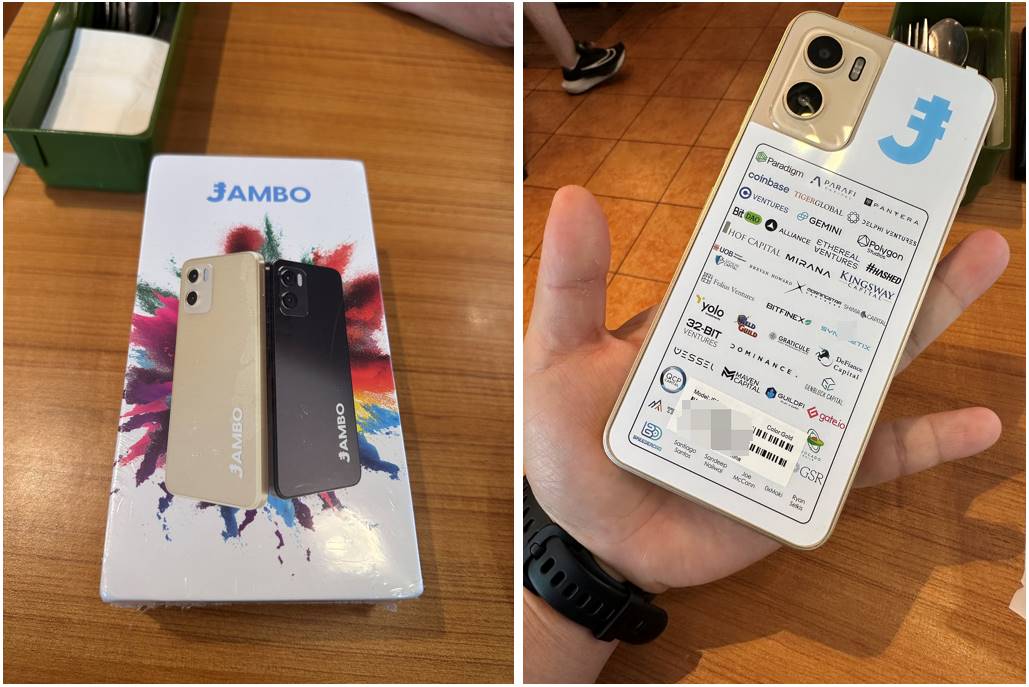
After briefly explaining concepts like industry organizations, projects, Play-to-Earn, and wallets, his response was:
"Great! I've been wondering how to get into this space. Are there already phones that come with these features built-in?"
In that moment, I suddenly realized that people don't lack understanding of crypto—they just lack a single entry point that has everything included.
Today we constantly hear about infrastructure—so many L1s/L2s, data availability (DA), interoperability solutions... But these aren't really foundational at all. Most people haven't even entered Web3 yet; discussing the foundation of a house is meaningless if no one’s through the front door.
All so-called Web3 infrastructure isn’t nearly as direct as a physical device sitting in someone’s hand.
While ETFs for BTC/ETH keep making headlines across the Atlantic, opening doors for financial elites into Web3, the average person still faces immense barriers.
Recall giving your parents a smartphone—within months they’re fluent in shopping apps and short videos. What if we gave youth in emerging markets a Web3 phone? Could things be completely different?
Luckily, Jambo is already doing exactly that.
While many still think of Jambo merely as a regional Superapp builder, it has already shipped nearly 500,000 units of its Web3 phones, covering over 120 countries and emerging markets globally.
This number is already an impressive achievement compared to other Web3 phones. On the path toward Web3 adoption, every additional Web3 phone means one more potential user.
At the recently held Solana Breakpoint 2024 conference, Jambo seized the momentum and announced its new JamboPhone 2—with upgraded hardware specs and even an AI model tailored for crypto users: JamboGPT.
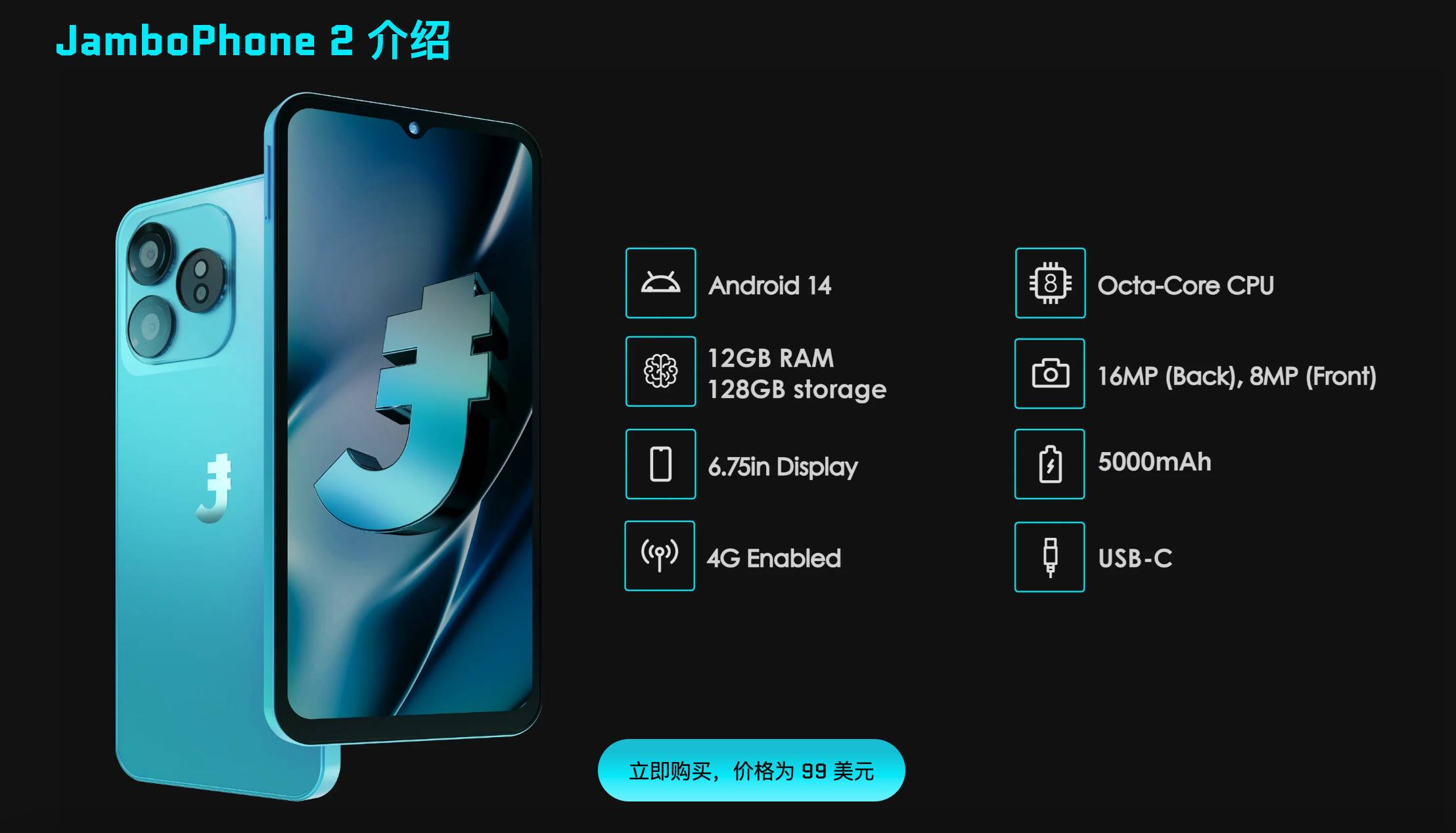
Combining software and hardware to break through the entry barrier, Jambo, as a “mobile infrastructure provider,” may be quietly rising within the crypto ecosystem:
Over 70 leading players in the crypto ecosystem—including Solana, Tether, Aptos, OKX, and Galxe—have partnered with Jambo. From promoting USDT usage on Solana, to helping newcomers understand Web3 via gamified tasks, to embedding various project applications directly into Jambo phones...
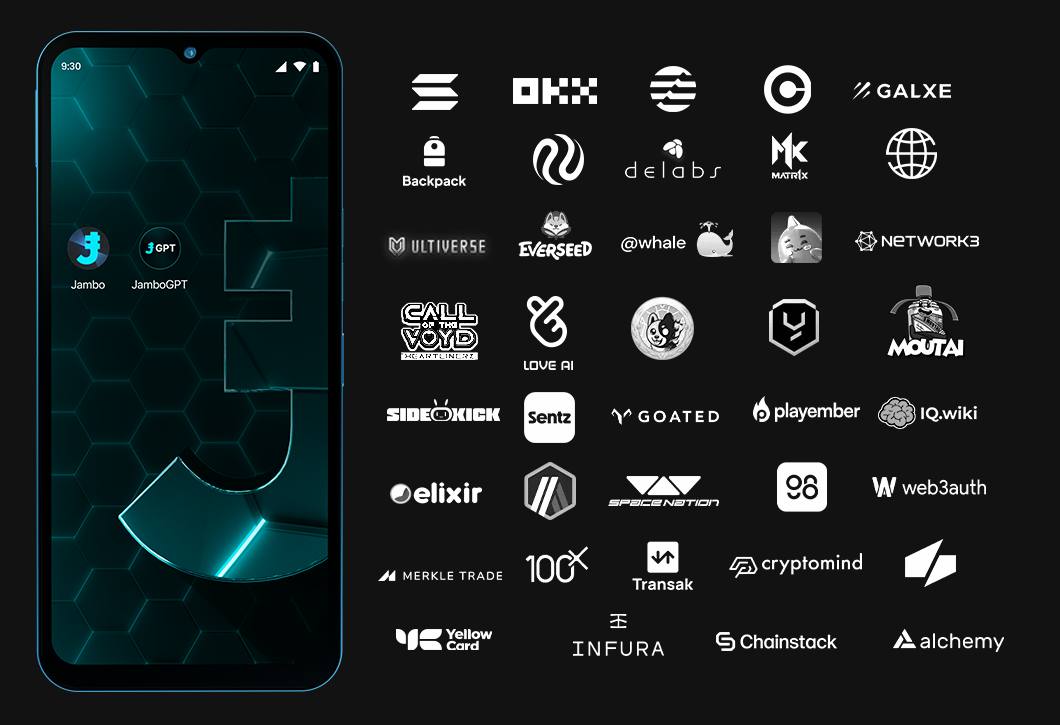
Gone are the days when Jambo was stereotyped as just focusing on Africa. Now a mass-adoption powerhouse shipping globally, what exactly is Jambo doing today? How mature are its products and ecosystem?
Press the power button on a Jambo phone and let’s begin our exploration.
From Africa to Global Emerging Markets: The Fantastic Voyage of Mass Adoption
If you're new to crypto, you might not know Jambo's history.
In fact, Jambo was founded as early as 2022—but initially focused exclusively on Africa, where amidst underdevelopment and disorder, Web3 found fertile ground to grow.
As founder James Zhang put it: “In Africa, there’s nowhere safe to store money because only 1% are ultra-wealthy while 99% live in poverty. So we took a different approach: helping ordinary people earn money.”
Hence, Jambo started with a simple and straightforward mission—empowering ordinary Africans economically—by building the Jambo Super App. Through a “learn, play, earn” model, young locals without bank accounts or job opportunities could generate income using this super app.
Nearly 60% of Africa’s population is under 24 years old, and almost 50% of university graduates are unemployed.
When most people walk barefoot, selling shoes becomes a blue ocean market.
The company’s new slogan—“You have a JamboPhone, you have a job”—shows how the JamboPhone has evolved beyond being just a mobile device. It's reported that users can earn close to $20 per week through platforms accessible via the JamboPhone.
Additionally, two years ago, Jambo had already enrolled over 12,000 students across 14 countries (Morocco, Nigeria, Ethiopia, Equatorial Guinea, Kenya, Congo, Uganda, Rwanda, DRC, Tanzania, Zambia, Namibia, Madagascar, and South Africa) in curated Web3 courses.

These 10-week programs were hosted at universities and over 600 partner institutions, with hundreds of local ambassadors registering participants...
If this isn’t driving mass adoption, then what is?
But starting in Africa doesn’t mean staying in Africa; reaching outsiders via apps doesn’t mean relying solely on one method.
Due to the complexity of Web3 information, we often fall into cognitive inertia and labeling—assuming a project never evolves.
Yet over the past two years, Jambo began in Africa but everything it has done lays the groundwork for a broader journey toward mass adoption.
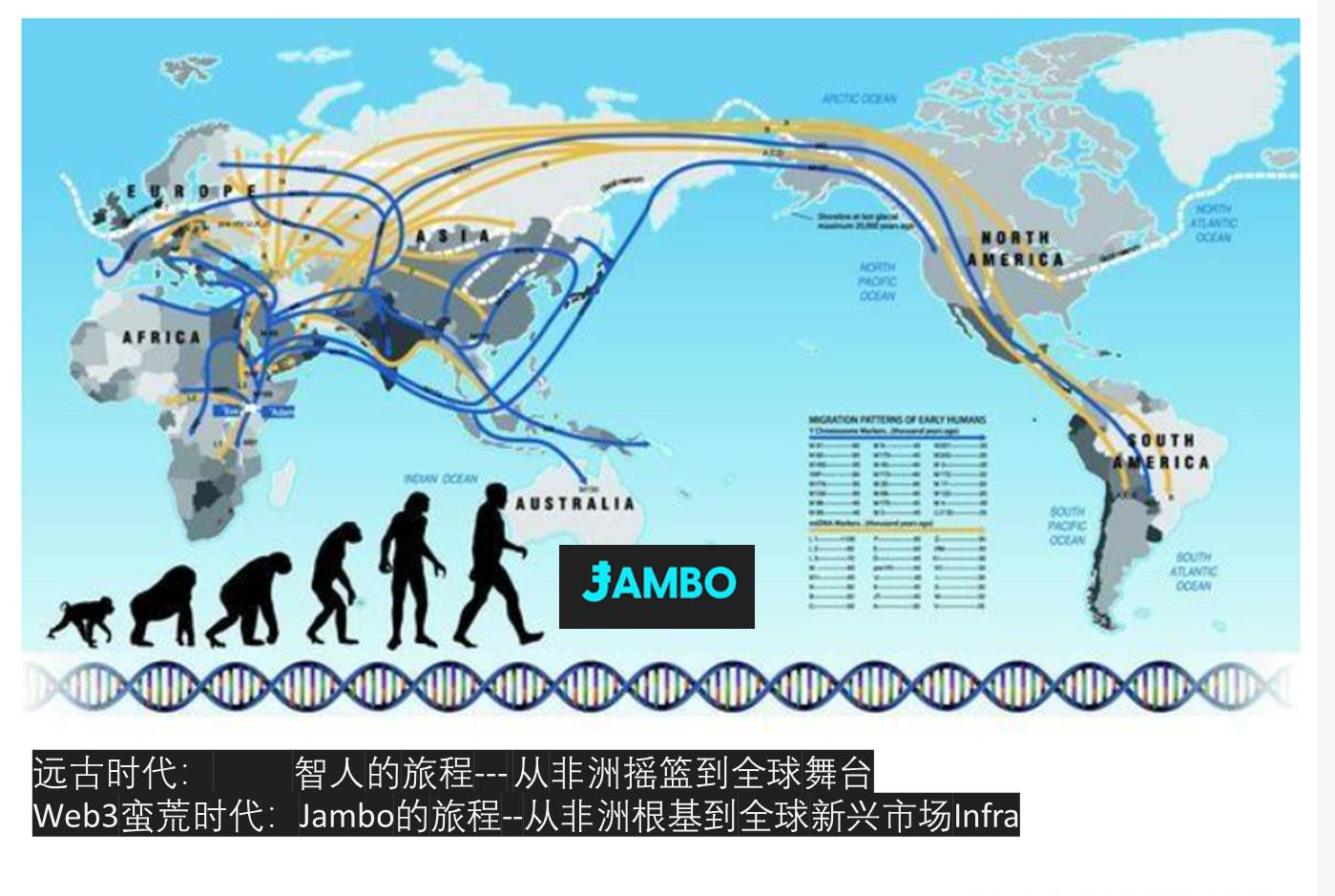
As described in *Sapiens*, early human ancestors migrated out of Africa, gradually settling across continents.
Similarly, today’s Web3 world remains in its primitive stage. After gaining valuable onboarding experience and success in Africa, Jambo has begun expanding into other emerging markets.
Vast emerging regions such as Latin America and Southeast Asia are especially eager for cryptocurrencies to bring stable currencies and financial systems.
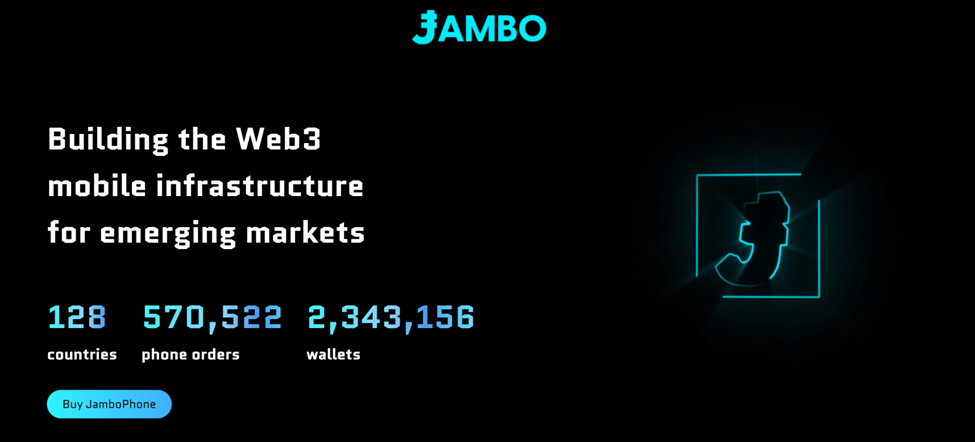
Leveraging this demand, Jambo has expanded operations to 128 countries including Brazil, Vietnam, and Turkey, aiming to become the Web3 mobile infrastructure for emerging markets worldwide.
The anchor for this global expansion? That small JamboPhone mentioned at the beginning.
So perhaps it’s time to drop the stereotype of Jambo = Africa’s Web3 elder brother.
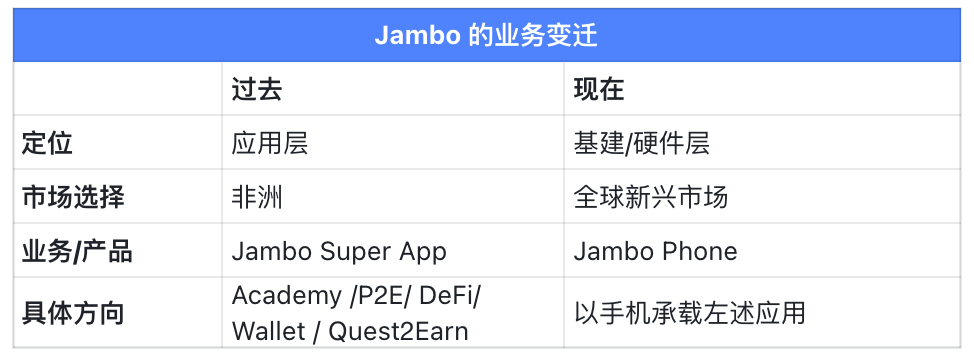
Today, Jambo has shifted from building a Superapp to becoming mobile infrastructure. According to official figures, it has shipped 500,000 Jambo Phones across 128 countries and regions.
This phone also comes preloaded with Web3 functionality, having generated nearly 2 million new wallet registrations—and the number continues to climb.
According to Jambo’s public dashboard, since May 2024, wallet registrations have seen significant growth across emerging markets globally, with strong onboarding momentum among users in Africa and Southeast Asia.
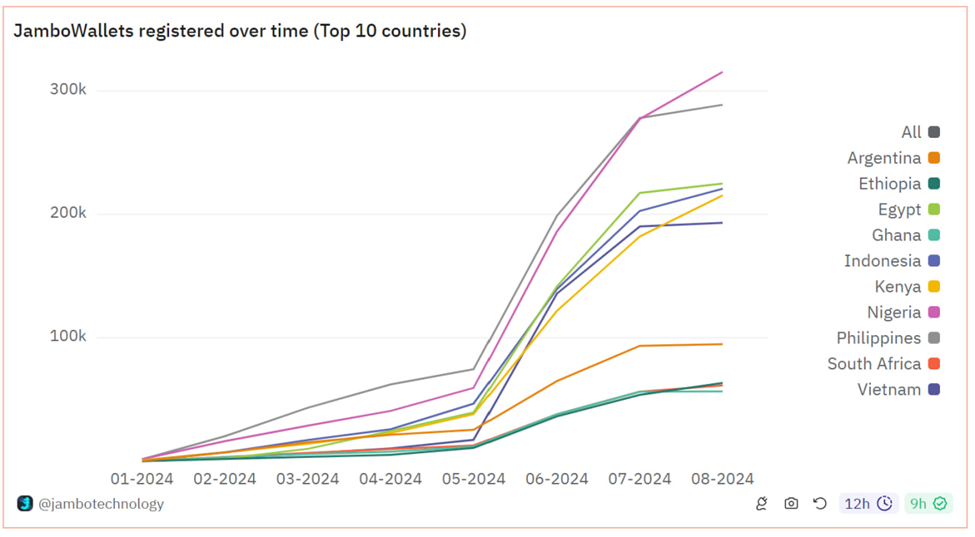
Clearly, Africa served as Jambo’s proving ground—a best practice model now replicable wherever demand exists. Success is no longer confined to Africa or any single application.
With hardware serving as the entry point, the voyage of mass adoption now has a solid carrier.
For example, when local conditions in South Korea sparked youth enthusiasm for crypto, Jambo capitalized by partnering with K-pop stars to promote the JamboPhone—turning interest into real engagement via Web3 devices.

In Southeast Asia, where Axie Infinity has already proven the demand for P2E gaming, Jambo actively collaborates with local blockchain gaming guilds like YGG to educate audiences about Web3 applications and introduce the JamboPhone.
From app to infrastructure, from single market to global reach—Jambo clearly has a different past and present.
$99: The First Web3 Entry Ticket for Young People
Now that we’ve discussed the JamboPhone, what exactly does it contain that makes it a Web3 Mobile Infra?
More important than features is price.
$99. The affordability of the JamboPhone is precisely what enables it to function as mobile Web3 infrastructure.
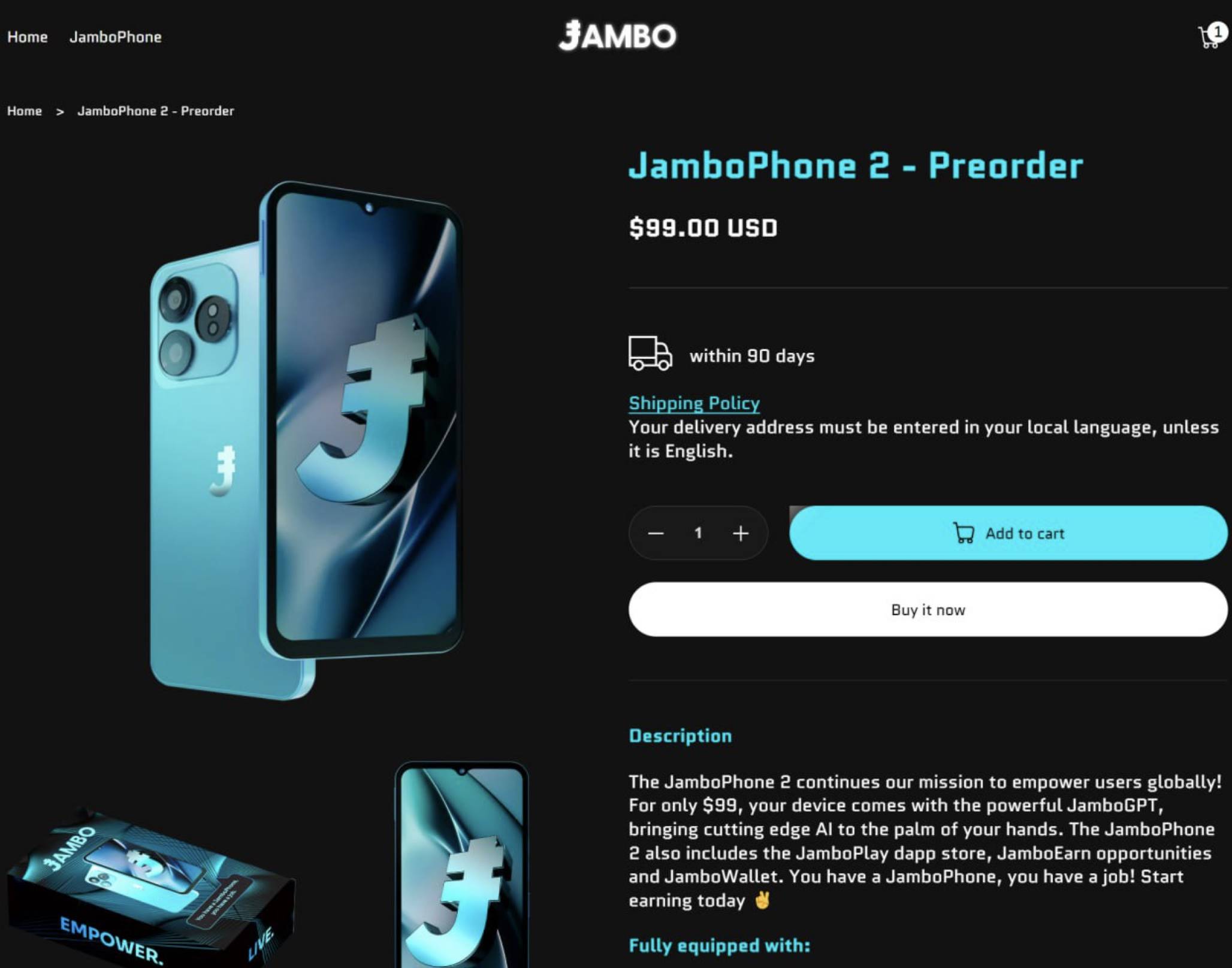
Step outside the mindset of seasoned crypto users: imagine someone in an emerging market receiving a smartphone for $99, already integrated with various Web3 apps. This may represent the lowest possible barrier to true Crypto Native access:
You might choose not to use Web3, but you can’t avoid owning a phone; once you have the phone, participation is only a matter of time.
If you argue that any phone can install Web3 apps, you underestimate how much pre-installation shapes user behavior—and fail to explain why major Web2 apps fiercely compete for default placement on Android devices.
Thus, a purpose-built mobile Web3 device is far more effective than grandiose infrastructure narratives.
Web3 phones aren’t new. Solana’s Saga 1 and 2 came before, so Jambo didn’t pioneer this category.
But remember: Saga 1 originally cost $1,000, and the new Saga 2 costs over $500 even during early bird sales.
Certainly, the value of airdrops received after holding a Saga likely exceeds the device cost—an excellent deal.
But here lies the key issue—we’re thinking too much from an insider perspective:
Experienced degens naturally know where the gold mines are and how to dig them up. But countless young outsiders don’t even know how to create a wallet or deposit funds.
Therefore, Saga represents a top-down strategy targeting crypto elites, tech nouveau riche, and veteran degens.
In contrast, Jambo’s $99 pricing reflects a bottom-up strategy—offering full functionality at low cost, positioning itself as the first Web3 entry ticket for outsiders, especially youth.
Better to be a door-opener than a golden shovel. From product design, marketing, and ecosystem integration, the JamboPhone functions as that crucial door-opener for mass adoption.
So, what’s actually inside the JamboPhone?
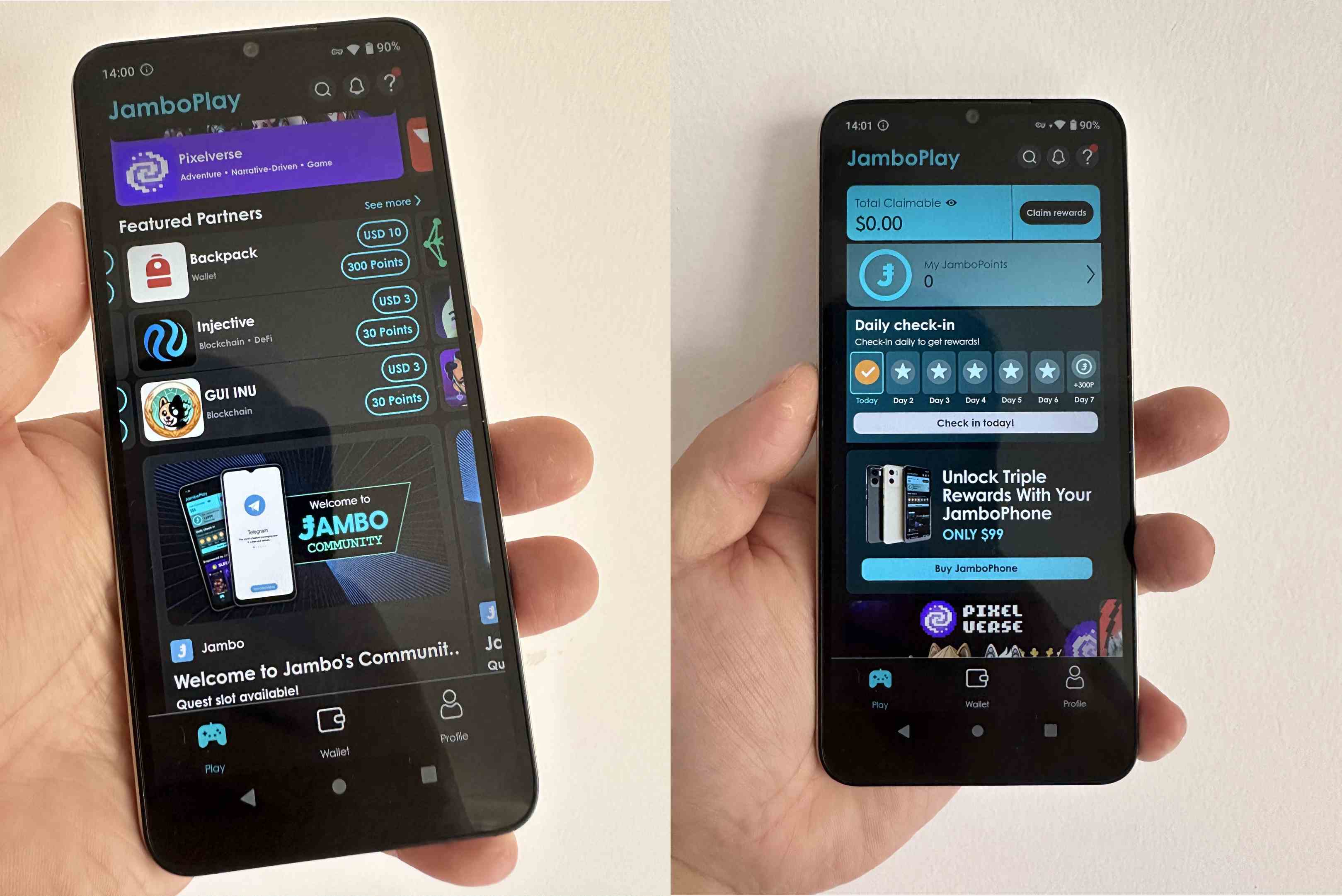
The most eye-catching feature is the pre-installed Jambo app.
You can register a Jambo account linked to the phone’s IMEI, effectively giving the device a Web3 identity. The app automatically creates a wallet seamlessly and supports fiat on/off ramps in supported countries.
Under the main Jambo account, the system offers daily login rewards, gameplay missions, and various options presented as gamified Quest-to-Earn experiences, enabling new users to quickly explore Web3 games, DeFi, DEXs, and more.
Notably, task rewards are displayed directly in USD, clearly showing their monetary value and reducing the learning curve associated with understanding various stablecoins.
In addition, Jambo Points serve as supplementary rewards, creating a gradual incentive structure. Engagement mechanics progressively build user stickiness, deferring deeper exposure to crypto concepts—like token conversion—until later stages, resulting in a smoother, less intimidating onboarding curve.
Therefore, beyond functioning as a regular smartphone, the JamboPhone integrates wallet + ID + P2E/Q2E + education functionalities, along with preloaded Web3 games, perfectly matching the play-and-earn demands of youth in emerging markets.
Building on this foundation, the Web3 phone is now evolving.
At Solana Breakpoint 2024 in Singapore earlier this week, Jambo unveiled the new JamboPhone 2.
Compared to the previous generation, JamboPhone 2 delivers improved hardware performance—with larger memory, RAM, and battery capacity—making it better suited for extended use and playing Web3 games.
Another standout upgrade is the inclusion of an AI feature tailored for crypto users: JamboGPT.
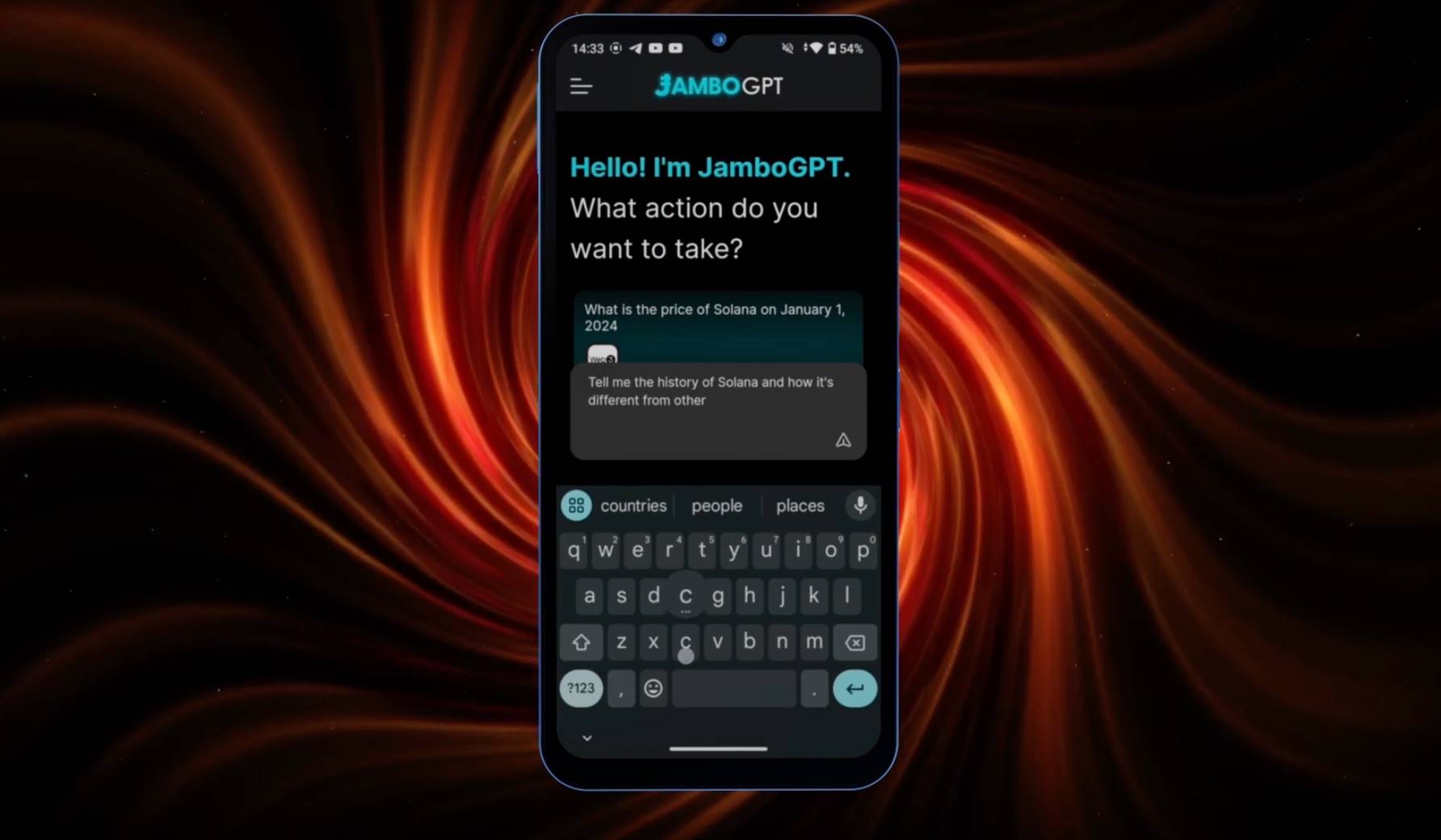
Positioned as a ChatGPT for crypto users, JamboGPT has been fine-tuned on industry-specific knowledge and incorporates real-time data updates to optimize its model.
Public reports indicate this feature was co-developed by Jambo, LoveAI, and Questflow—marking the initial realization of a software-hardware integrated experience designed specifically for crypto users.
More importantly, JamboPhone 2 retains the same $99 price tag.
Same price, cooler features. The title of “first Web3 entry ticket for young people” may well be deserved.
Real DePIN, SuperInfra Connecting the Web3 Ecosystem
With hardware as the anchor, Jambo’s journey toward building a large-scale ecosystem becomes clearer.
Once Jambo’s own app becomes the traffic gateway for newcomers, collaborations with diverse crypto applications and projects become natural next steps.
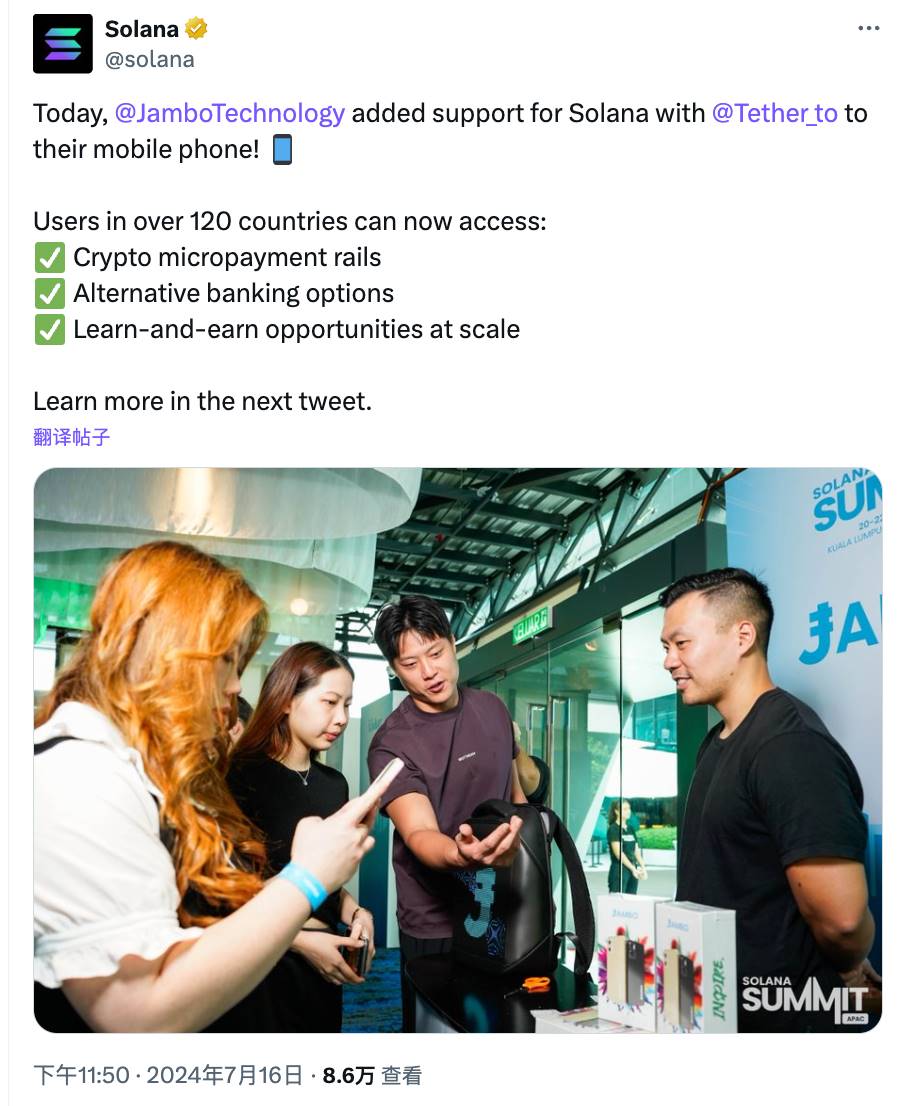
For instance, in July, Solana announced a partnership with Jambo, teaming up with stablecoin giant Tether to offer financial and educational solutions in emerging markets.
It won’t be long before users can complete tasks in Jambo to receive SPL-based USDT on Solana. For underbanked regions, such partnerships open the door for crypto to disrupt from the margins.
We also see on JamboPhone popular apps like Coin98 (wallet and asset management), OKX and Coinbase Wallet, e-commerce platforms such as SHEIN and Temu with potential for crypto payments, and multiple trending Web3 games including Matr1x Fire...
In the crypto ecosystem, no dApp turns down new users. Having a pre-installed or default presence on a device is extremely valuable. Beyond crypto, traditional app users can also be funneled into dApps via hardware—a traffic conversion pool model begins to take shape.
And let’s not forget: this phone has strong alignment with the booming DePIN sector.
With nearly 500,000 units distributed across 128 countries, treating each phone as a DePIN node opens possibilities for integrating data contribution, collection, and resource-sharing crypto projects. For such projects, being onboarded onto Jambo means instant user acquisition—accelerating network formation and significantly reducing cold-start pressure.
Thus, Jambo’s software-hardware synergy first scales device distribution to achieve broad mobile infrastructure coverage, then monetizes through advertising, pre-installations, and revenue sharing with apps.
This is a proven business model validated by Web2 smartphone makers—and equally applicable during Web3’s frontier-building phase.
From SuperApp to SuperInfra, Jambo has effectively secured a strategic foothold at the hardware entry point within the ecosystem.
Correct Script: Top-Tier VCs Backing Hardware Expansion
It’s worth emphasizing that Jambo’s investor lineup is nothing short of stellar.
Earlier, Jambo raised a $7.5 million seed round from investors including Coinbase Ventures, Hashed, and Tiger Global.
In 2022, it secured a $30 million Series A led by Paradigm, with participation from Pantera Capital, Delphi Ventures, OKX Ventures, and Gemini Frontier Fund.

Top-tier crypto VCs are clearly betting on mass adoption and breaking into the mainstream. Among various “infrastructure” plays, Jambo may hold the right script.
A $99 phone, factoring in shipping and other costs, likely sells at a loss. If VC funding subsidizes hardware expansion, this playbook diverges sharply from typical infrastructure projects—spending upfront to acquire real users and retention, then monetizing later via value-added services.
This resembles early-stage strategies like Didi Chuxing or Pinduoduo’s billion-dollar subsidy campaigns—businesses losing money per transaction but winning users and loyalty.
Note this differs significantly from simple project airdrop subsidies.
Users lured purely by airdrops aren’t loyal. But subsidizing a device that continuously offers earning opportunities cultivates lasting habits—and leads to far better long-term retention.
VC backing, hardware scaling—the logic holds commercially. But how far it can go remains to be seen.
Don’t Judge a Book by Its Cover: A Bright Future Ahead
Paul Graham, co-founder of Y Combinator, famously said: “Do things that don’t scale.”
He meant encouraging founders in early stages to adopt manual, inefficient, non-scalable methods to drive growth.
From this angle, Jambo’s deep focus on Africa was precisely “doing things that don’t scale”—manually acquiring users and adapting locally.
But times change—and futures brighten.
Those seemingly non-scalable efforts laid the foundation for Jambo’s shift toward scalable, global hardware deployment, unlocking greater potential for mass adoption.
The transition from non-scalable to scalable—only Jambo truly knows the effort behind it. But the market and users will recognize the results, fairly evaluating the project’s ultimate success.
At the recently concluded Solana Breakpoint 2024, Jambo’s founder announced that the popular Meme project Bonk will distribute airdrops to JamboPhone holders. Meanwhile, Jambo has opened flagship stores in Brazil, Nigeria, and Indonesia—and this may just be the beginning.
Finally, the word “Jambo” actually comes from Swahili, widely translated as “Hello.”
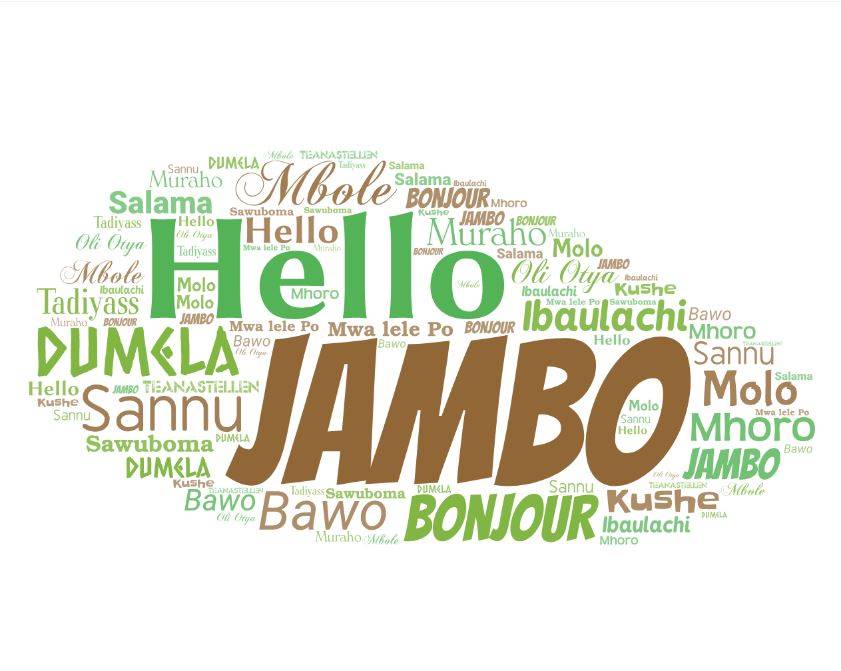
May more and more people say “hello” to Web3.
Join TechFlow official community to stay tuned
Telegram:https://t.me/TechFlowDaily
X (Twitter):https://x.com/TechFlowPost
X (Twitter) EN:https://x.com/BlockFlow_News
 深潮TechFlow