Looking back at Telegram's rise and fall, could legal issues become a key factor in reshaping the app?
TechFlow Selected TechFlow Selected
Looking back at Telegram's rise and fall, could legal issues become a key factor in reshaping the app?
Telegram's vast user base, combined with TON blockchain's high scalability and low transaction fees, has led to its rapid adoption by users.
 Navigating Web3 tides with focused insights
Author: M6 Labs
Translation: TechFlow
The story of Telegram is a modern saga of resistance, innovation, and ultimately, a touch of hubris. Founded on the vision of Pavel Durov, Telegram became a bastion of free expression and privacy protection. In an era of increasing government surveillance, the Durov brothers built an encrypted communication platform committed to anti-censorship, serving hundreds of millions of users worldwide.
Telegram’s strong commitment to privacy quickly attracted users disillusioned with mainstream platforms and wary of government interference.
Yet, almost like a Shakespearean tragedy, Telegram’s unwavering stance on privacy eventually led to its downfall. The platform’s refusal to comply with data requests and its association with controversial activities made it a focal point in global debates over freedom, security, and the boundaries of digital privacy.
Pavel Durov’s arrest in 2024 brought unprecedented scrutiny to Telegram’s operations. While Durov is no longer imprisoned, the circumstances surrounding his arrest have embroiled the platform in legal and ethical controversies, challenging its core principles and future trajectory.
Early Days of VKontakte
Pavel Durov and his brother Nikolai Durov founded VKontakte (VK) in 2006, which rapidly became Russia’s most popular social networking platform—an equivalent to Facebook in the West—offering social interaction, content sharing, and community building.
During his tenure at VK, Durov gained fame for defending freedom of speech and resisting government intervention. This ethos frequently brought him into conflict with Russian authorities, especially during politically sensitive periods such as Ukraine’s Maidan Revolution in 2013–2014. Durov refused to hand over user data linked to Ukrainian activists, leading to mounting pressure from the Kremlin and ultimately forcing him to leave VK and go into exile in 2014.
These experiences paved the way for the creation of Telegram. Unlike VK, Telegram was designed as a privacy-focused encrypted messaging platform, enabling users to communicate without fear of surveillance. It employed robust encryption and promised independence from any government, making it particularly appealing to users who valued security and free speech.
Telegram’s Growth into a Global Platform
In its early years, Telegram steadily grew, gradually becoming an alternative to mainstream apps like WhatsApp and Facebook Messenger. It stood out by offering unique features such as large group chats, broadcast channels, and the ability to send large files. Telegram’s open-source nature also allowed developers to create bots and games on the platform, further enhancing its appeal.
By the mid-2010s, Telegram’s growth accelerated significantly. As concerns about online privacy increased—amplified by Edward Snowden’s revelations about government surveillance programs—global demand for privacy surged.
Backed by its commitment to privacy and user-friendly interface, Telegram attracted hundreds of millions of users worldwide.
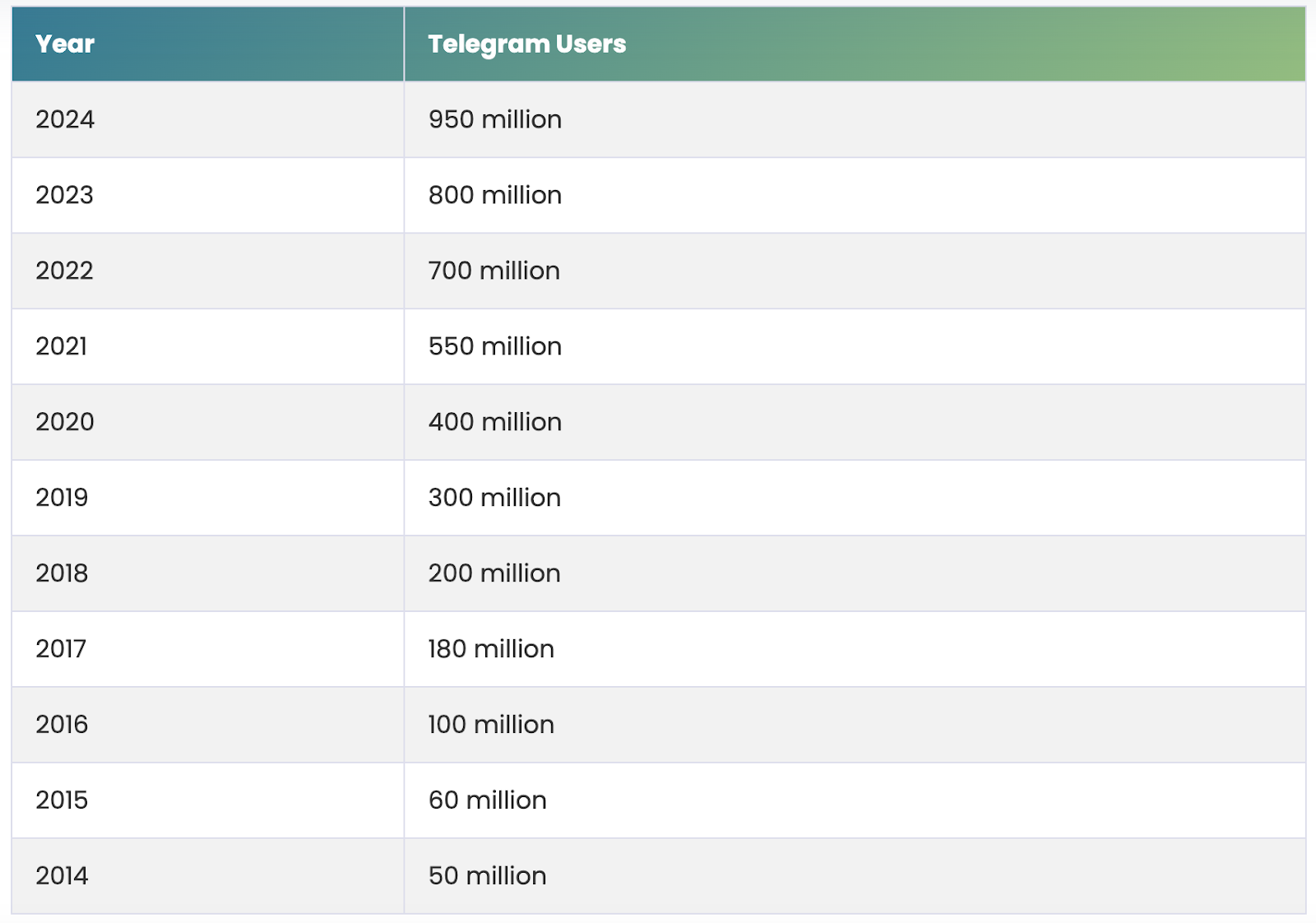
Today, Telegram boasts nearly one billion monthly active users.
Embracing the Cryptocurrency Community
As cryptocurrencies gained popularity, Telegram emerged as a central hub for this movement. It became a vital platform for the crypto community, especially for initial coin offerings (ICOs), token trading, and project discussion forums. Thanks to its ease of use and privacy features, Telegram became a favorite among cryptocurrency enthusiasts and traders.
Recognizing the rapid growth of its user base, Telegram ventured into blockchain technology by developing the Telegram Open Network (TON). In 2018, Telegram raised up to $1.7 billion through an ICO to fund the development of the TON blockchain and its associated cryptocurrency, Gram. The goal was to create a decentralized platform supporting secure and fast transactions, and enabling the development of decentralized applications (dApps) and services on its network.
Despite the immense potential of the TON blockchain, Telegram’s bold move into the crypto space faced regulatory hurdles.
In 2019, the U.S. Securities and Exchange Commission (SEC) sued Telegram, alleging that the sale of Gram tokens constituted an unregistered securities offering. In 2020, Telegram agreed to return $1.2 billion to investors and abandoned the TON project, scaling back its ambitions in the cryptocurrency domain.
Although Telegram ceased direct involvement in the TON blockchain project, it remains a primary communication platform for the crypto community. Projects and developers continue to use the platform for discussions, launching new tokens, and organizing events.
Telegram’s 2023 financial report revealed that despite an operating loss of $108 million, over 40% of its $342.5 million in revenue came from crypto-related activities.
Telegram in 2024
Prior to Durov’s arrest, Telegram had a strong performance in 2024. First, TON was one of the best-performing cryptocurrencies of the year.
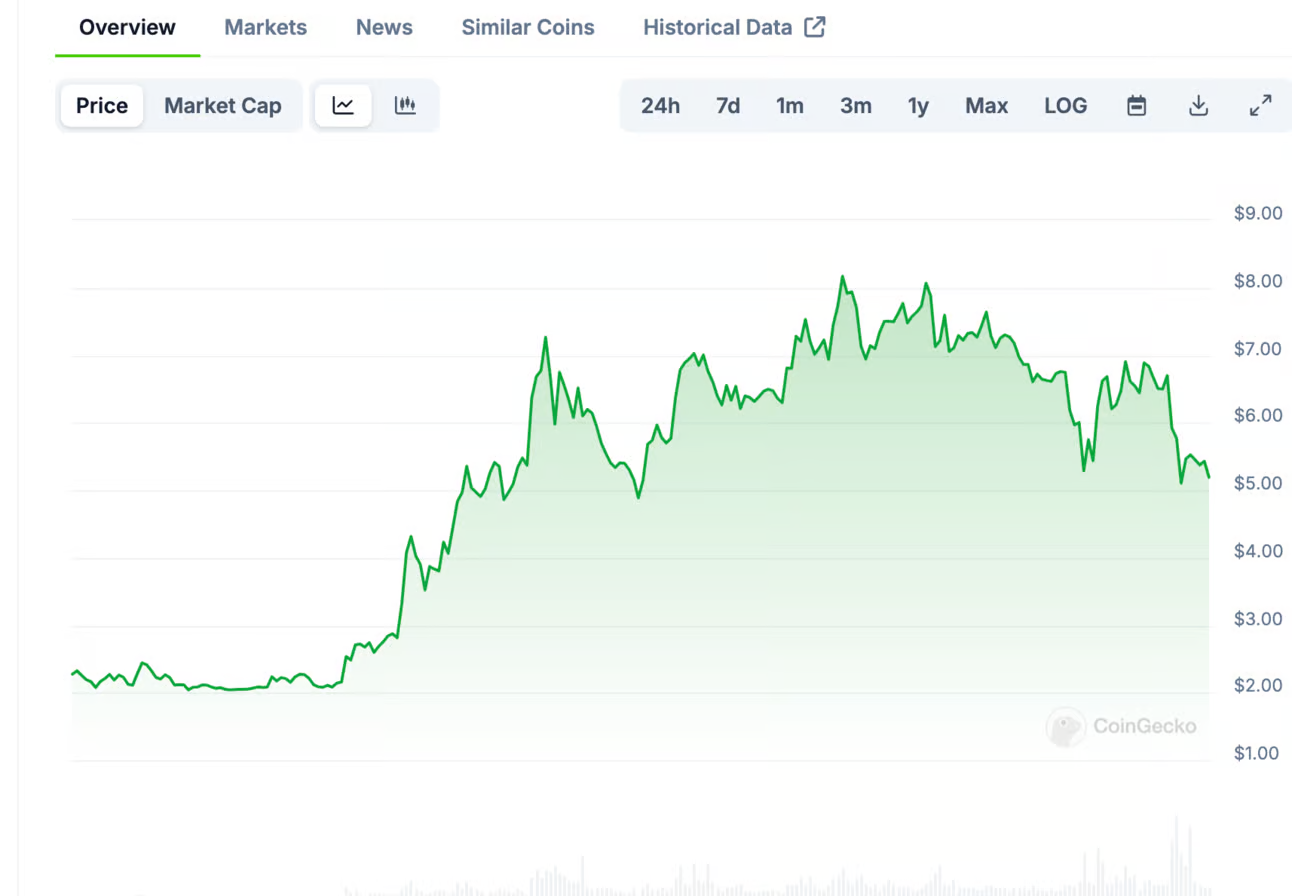
From January 1 to June 15, 2024, TON’s price surged from $2.27 to $8.17, with its market capitalization nearly quadrupling.
Since its launch in 2023, Telegram Mini Apps have rapidly gained popularity due to their integration with the TON blockchain. These web-based applications run directly within the Telegram app, allowing developers to build complex decentralized apps using familiar web programming languages.
The combination of Telegram’s massive user base with TON’s high scalability and low transaction fees has led to swift adoption, attracting millions of users.
The Beginning of the End: Government Demands for User Data
As Telegram’s popularity rose, so did its negative reputation. Governments around the world began viewing Telegram as a potential threat due to its refusal to provide user data. Several countries—including Russia, Iran, and China—attempted to ban or censor Telegram, citing its use by political dissidents.
Authorities argue that access to encrypted communications is essential for combating terrorism, money laundering, and criminal activity, while privacy advocates contend that government backdoors undermine civil liberties and could empower authoritarian regimes.
The most intense confrontation occurred in Russia, where authorities demanded access to encrypted user data to monitor illegal activities and potential terrorism. Durov refused to cooperate, resulting in Telegram being blocked in Russia in 2018.
Government pressure extended beyond Russia:
-
In 2022, the German government fined Telegram €5 million for failing to comply with laws regarding illegal content.
-
In France, the company faced legal challenges related to extremist activities and the spread of illegal content.
Of course, where there's smoke, there's fire.
Due to its limited moderation policies, extremist groups and illicit activities found fertile ground on Telegram. The platform has been used to coordinate terrorist attacks, drug trafficking, and the distribution of child exploitation material, drawing attention from law enforcement agencies globally.
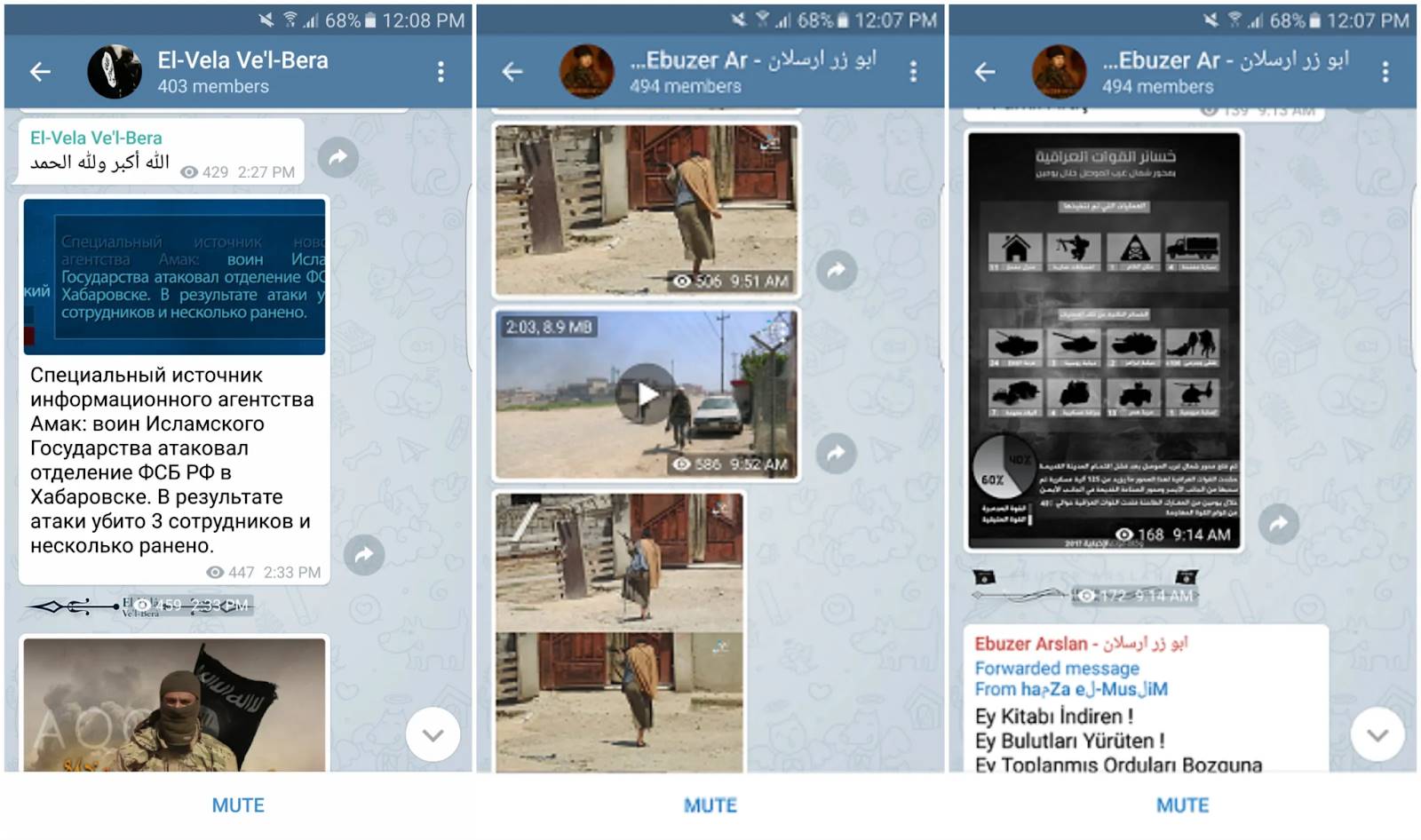
(Source: See here)
Pavel Durov’s Arrest
Telegram’s regulatory and legal challenges culminated in August 2024, when Pavel Durov was arrested upon arriving in Paris from Azerbaijan. French authorities detained Durov, accusing him of refusing to provide data related to financial crimes, drug trafficking, and the dissemination of child exploitation material on Telegram.
Durov’s arrest triggered a diplomatic dispute between France, the UAE, and Russia. After four days of interrogation, he was released on a €5 million bail but banned from leaving France and required to check in regularly with police.
The incident sparked intense debate over freedom of speech, privacy, and state surveillance, with figures like Elon Musk and Edward Snowden criticizing the arrest as an attack on free expression.
Regardless, Durov’s arrest directly caused a sharp decline in TON’s price.
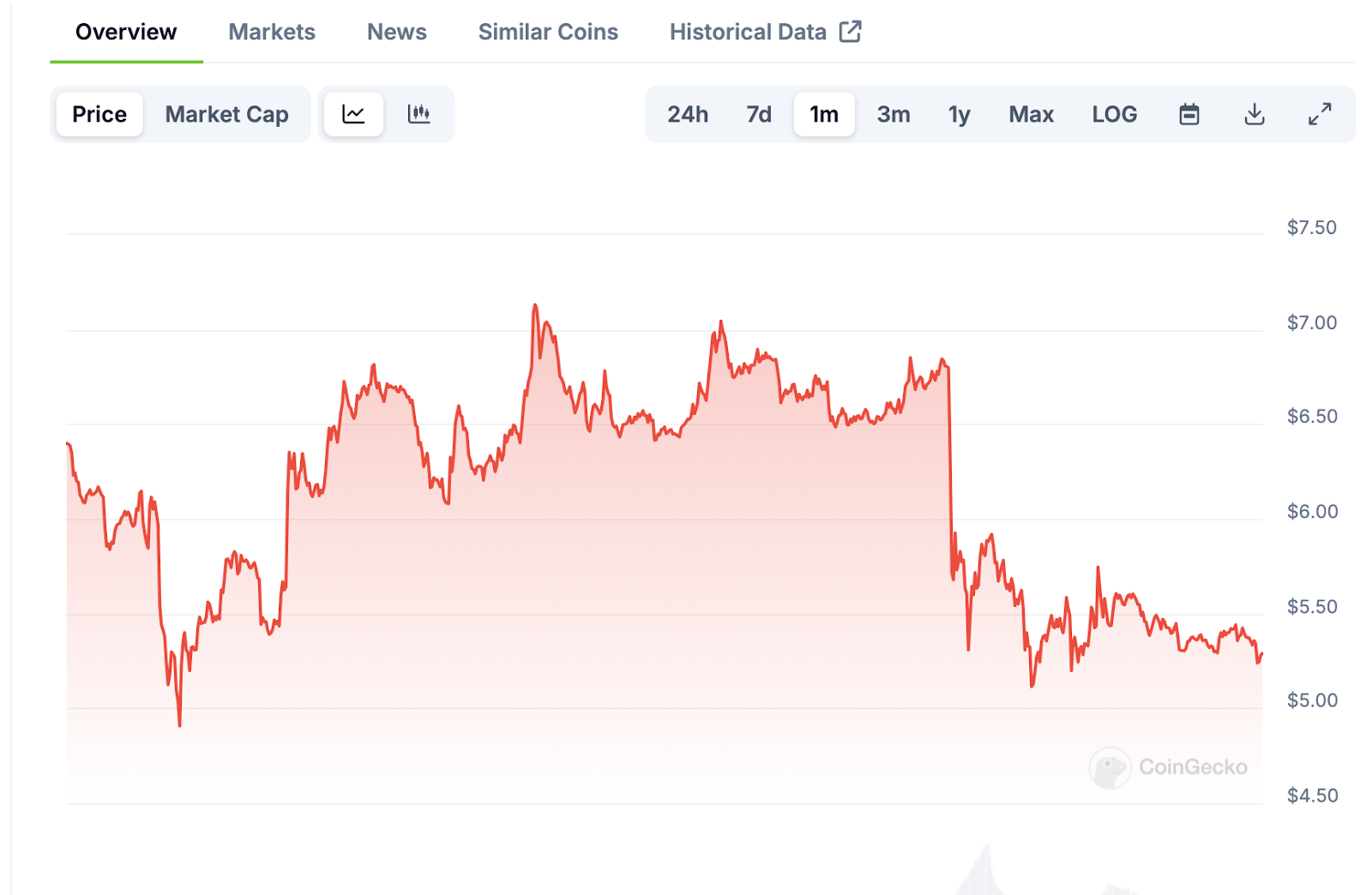
In just three days, TON dropped from $6.75 to $5.11.
The Legacy of Telegram
Telegram’s legacy lies in its dual role as both a defender of privacy and a lightning rod for controversy. It provided a secure haven for users seeking to escape censorship, yet faces ongoing legal and ethical challenges that threaten its existence and reputation.
Notably, Durov’s case may set a far-reaching precedent for other tech companies and social media platforms. It could prompt a reevaluation of content moderation policies, data-sharing practices, and compliance with international laws.
Join TechFlow official community to stay tuned
Telegram:https://t.me/TechFlowDaily
X (Twitter):https://x.com/TechFlowPost
X (Twitter) EN:https://x.com/BlockFlow_News
 M6 Labs