









Music Royalty Distribution in the Blockchain Era
TechFlow Selected TechFlow Selected
Music Royalty Distribution in the Blockchain Era
Music royalty distribution has historically been complex, raising concerns about fairness and transparency.
 Navigating Web3 tides with focused insights
By: BT Correspondent
Translation: Chain Market
Music royalty distribution—the process of compensating artists for their creative contributions—has historically been complex, raising concerns about fairness and transparency.
Over time, the way music is distributed has undergone a dynamic transformation, shifting from traditional models heavily reliant on intermediaries to more modern and flexible approaches.
The emergence of blockchain technology marks a pivotal moment, offering a decentralized alternative to conventional royalty distribution models.

Blockchain introduces a more transparent and equitable framework for rewarding artistic contributions—one whose transformative potential could revolutionize the music industry.
Within this changing landscape, the online trading system "Quantum Qpixel" stands as a notable example of how technology can reshape an industry, albeit in a very different context.
Traditional Music Royalty Systems
(1) Challenges and Inefficiencies of Traditional Models
The traditional music royalty system faces numerous challenges, including opaque processes and delayed payments, leading to persistent inefficiencies that have long plagued the industry.
(2) The Role of Intermediaries and Middlemen
Intermediaries in the traditional royalty system introduce complexity and disputes over compensation.
(3) Concerns About Fairness and Transparency
There are growing concerns about the fairness and transparency of traditional royalty distribution systems, with artists encountering repeated frustrations when seeking fair compensation.
Overview of Blockchain Technology
(1) Blockchain and Decentralized Ledger Basics
A comprehensive introduction to blockchain technology, emphasizing its decentralized ledger system and the core principles underpinning its effectiveness.
(2) Smart Contracts and Their Role in Royalty Distribution
Exploring the role of smart contracts in automating and enforcing royalty agreements, eliminating the need for intermediaries and enhancing efficiency.
(3) Advantages of Blockchain in the Music Industry
Highlighting the benefits of implementing blockchain in the music industry, such as increased transparency, reduced disputes, and more direct interactions between artists and fans.
Decentralized Music Royalty Systems
(1) Introduction to Decentralized Alternatives
Introducing decentralized alternatives to traditional royalty systems, exploring how these solutions leverage blockchain to create fairer and more efficient distribution mechanisms.
(2) Enhancing Transparency and Trust
Examining the inherent transparency and immutability of blockchain, and how they help build trust among stakeholders in decentralized music royalty systems.

(3) Case Studies of Successful Decentralized Royalty Systems
Showcasing real-world examples of successful decentralized royalty systems, illustrating their impact on the music industry and associated artists.
Tokenization of Music Assets
(1) Tokenization in the Music Industry
Breaking down the concept of tokenization within the context of the music industry, clarifying how it transforms traditional notions of ownership and distribution rights.
(2) Tokenomics and Its Impact on Royalty Distribution
Discussing the economic principles of tokenomics and their role in reshaping artist remuneration, highlighting the potential for more equitable distribution.
(3) Ensuring Fair Compensation for Artists
Analyzing how tokenization contributes to ensuring fair artist compensation by establishing a direct, transparent link between creative output and financial return.
Overcoming Challenges in Blockchain Implementation
(1) Regulatory Barriers and Compliance in the Music Industry
Investigating regulatory challenges associated with implementing blockchain in the music industry, and exploring potential solutions and compliance frameworks.
(2) Addressing Privacy and Data Security
Examining privacy concerns and data security issues related to blockchain implementation, emphasizing strategies and technologies to mitigate risks.
(3) Adoption Challenges and Industry Resistance
Exploring the challenges the industry faces in adopting blockchain solutions for royalty distribution, along with strategies to overcome resistance from traditional stakeholders.
Future Trends
(1) NFTs and Their Role in Music Royalties
Exploring the rising trend of non-fungible tokens (NFTs) and their potential impact on music royalty distribution, focusing on new monetization avenues for artists.
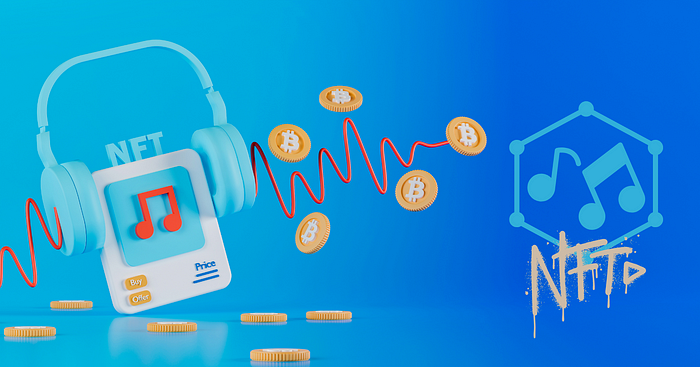
(2) Integration of Artificial Intelligence and Machine Learning in Royalty Management
Investigating the integration of artificial intelligence and machine learning in royalty management, exploring how these technologies can enhance accuracy, efficiency, and personalization in compensation.
(3) Potential Disruptions and Transformations in the Industry
As blockchain technology continues to evolve and reshape traditional models, forecasting and discussing potential disruptions and transformations in the music industry.
Conclusion
In conclusion, the adoption of blockchain technology in music royalty distribution heralds a transformative shift toward systems that are more transparent, efficient, and artist-centric.
By leveraging blockchain’s decentralized nature and the use of smart contracts, the music industry stands to benefit from greater fairness and streamlined processes in compensating creative contributors.
Looking ahead, the future landscape of music royalty distribution in the blockchain era presents a promising outlook for positive change—potentially reducing disputes and increasing trust among stakeholders.
This evolution encourages artists and industry stakeholders to embrace the shift, recognizing the collective advantages of a fairer and more transparent music ecosystem.
In the dynamic realm of music royalty distribution, embracing the transformative potential of blockchain is not merely an option, but a pathway toward a more just and artist-friendly future.
Join TechFlow official community to stay tuned
Telegram:https://t.me/TechFlowDaily
X (Twitter):https://x.com/TechFlowPost
X (Twitter) EN:https://x.com/BlockFlow_News












