








IMX's annual flagship: Web3 racing game KartParty PFP NFT to be launched soon
TechFlow Selected TechFlow Selected
IMX's annual flagship: Web3 racing game KartParty PFP NFT to be launched soon
Getting Close to KartParty: Exploring the Future Opportunities and Challenges in the 2024 Web3 Gaming Sector.
 Navigating Web3 tides with focused insights
Author: TechFlow
According to a report by Newzoo, a game market data analytics company, the global gaming market reached $184 billion (approximately 1.31 trillion RMB) in revenue in 2023, with 3.38 billion gamers worldwide—an increase of 6.3% year-on-year.
The massive user base and strong revenue potential have drawn entrepreneurs to the gaming sector. Meanwhile, as blockchain technology evolves, the centralized drawbacks of traditional Web2 games—such as privacy concerns, lack of true asset ownership, and monopolistic control—have become increasingly evident. As a result, Web3 gaming has gradually emerged as a market focal point: in 2021, there were 135 GameFi-related investments, a 1130% year-on-year increase, with total investment reaching $3.1 billion—a staggering 6810% growth.
Among various gaming sub-sectors, racing games have long enjoyed popularity due to their thrilling blend of speed and excitement. Market Research Future forecasts that the racing game market will reach $6.9192 billion in 2023 and grow to $16.648 billion by 2032. Unsurprisingly, racing themes are also highly favored in Web3, whether through NFT-based racing or sponsorship of real-world motorsports.
Recently, news that Web3 racing game KartParty is preparing to launch its second NFT series has attracted significant community attention: On one hand, KartParty’s upcoming test version, judging from official demo videos, demonstrates high-quality visual design and economic modeling. On the other hand, KartParty’s Genesis NFT collection, Kartparty-YKZ, launched in August last year, performed exceptionally well, with its floor price peaking at 2.5 ETH and ranking second on OpenSea’s 6-hour trading chart on launch day. The success of the Genesis NFT has raised high expectations for the second NFT drop, while the release of the test version has further fueled anticipation for KartParty’s breakout potential in 2024.
With fierce competition in the Web3 gaming space, can KartParty—one backed by IMX, a key Web3 gaming infrastructure provider—emerge as a leading title in this bull market? After three years of market development, how can the "play" aspect's entertainment value better integrate with the decentralized "earn" philosophy?
This article aims to explore KartParty by analyzing its product experience, economic model design, and sustainability strategy, shedding light on future opportunities and challenges in the Web3 gaming sector in 2024.
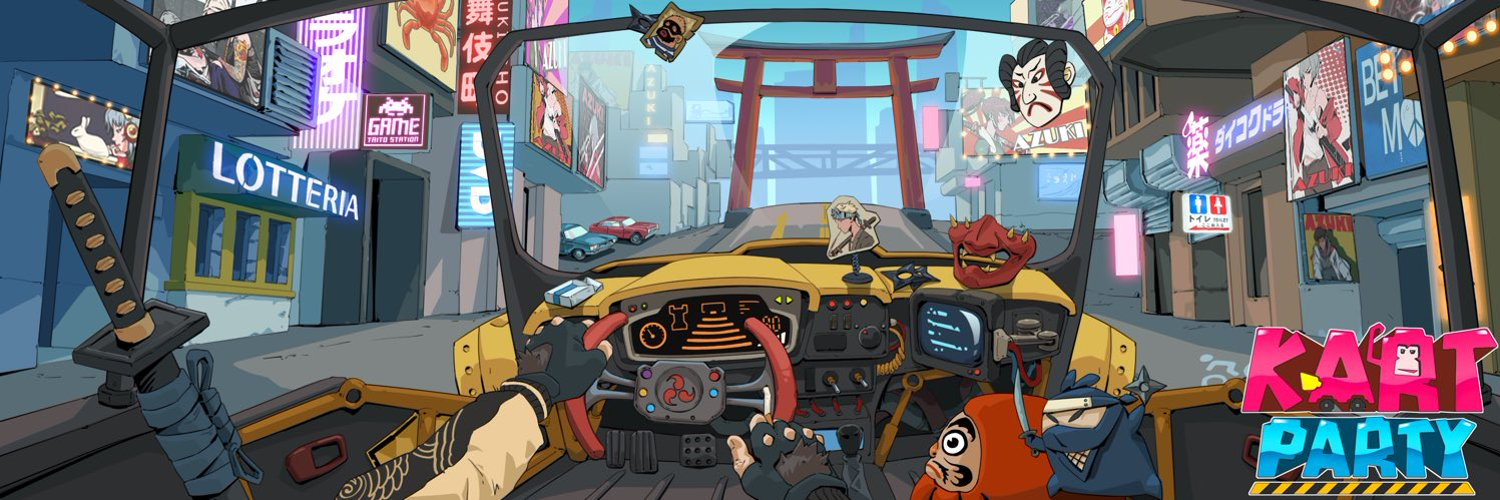
Pioneering Modular Gameplay for Web2-Level Immersive Experience
As a racing-themed party game, KartParty aims to deliver an exhilarating racing experience through stunning visuals, diverse gameplay mechanics, and a blockchain-integrated economic model. Beyond the thrill of competition, it allows players to earn rewards and participate in governance, immersing them in the appeal of a decentralized economy.
Racing games, a longstanding and popular genre, captivate players with their pursuit of speed, sensory thrills, and ever-evolving gameplay features. They consistently perform well in downloads and revenue, likely making them an attractive target for KartParty. However, entering this space is no easy feat—authentic experiences require high-quality graphics, and diverse gameplay demands deep understanding of player psychology.
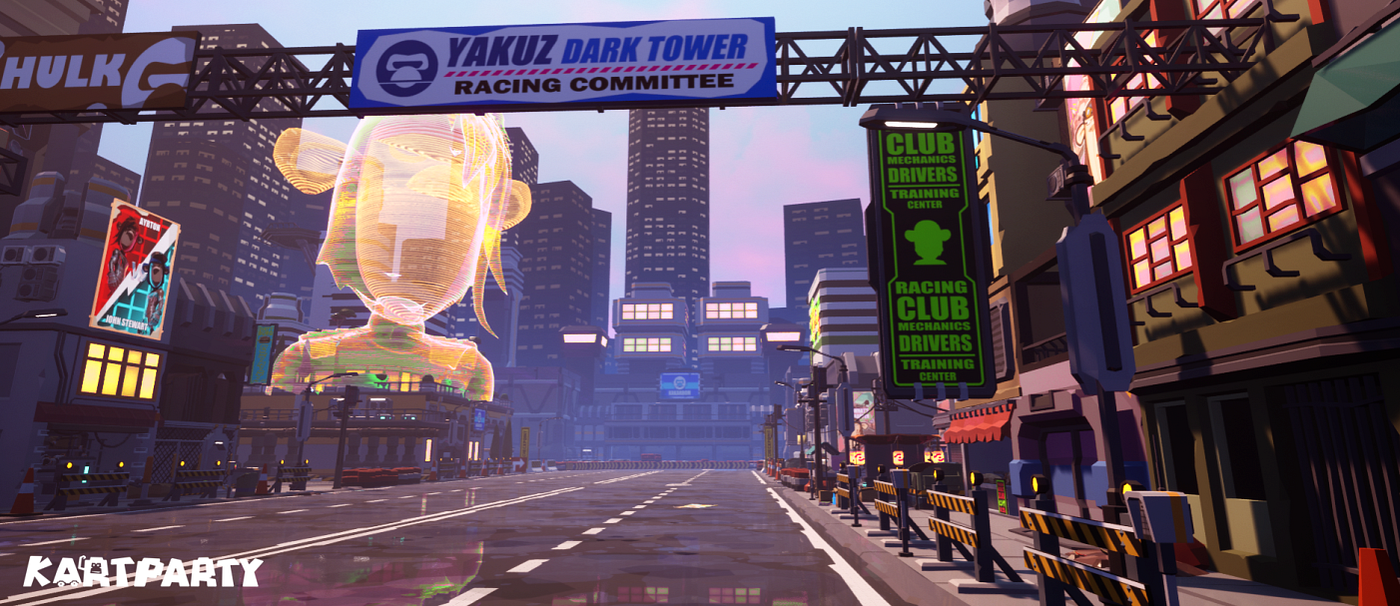
Compared to most current Web3 products that barely offer meaningful “experience,” KartParty stands out with three core features:
Core Feature One: Stunning Visuals and Smooth Animation Effects.KartParty features distinct visual styles across different race tracks, with intricate scene designs delivering immersive gameplay. Players can select their preferred kart configurations and enter races, executing actions like acceleration, diving, climbing, braking, and turning. Sound effects are well-timed, and animations grounded in physics principles ensure fluid, lifelike motion, providing an authentic racing feel.
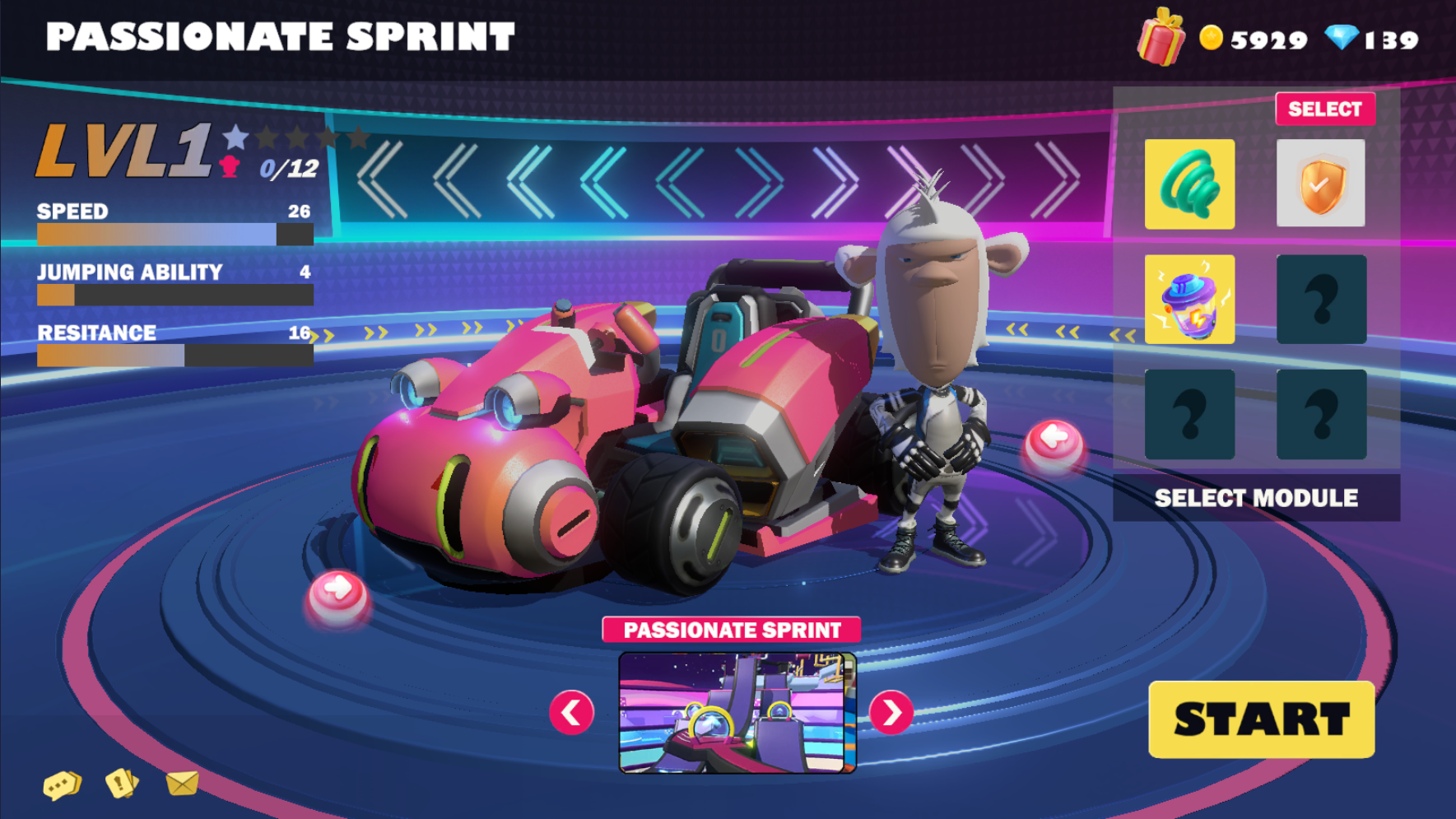
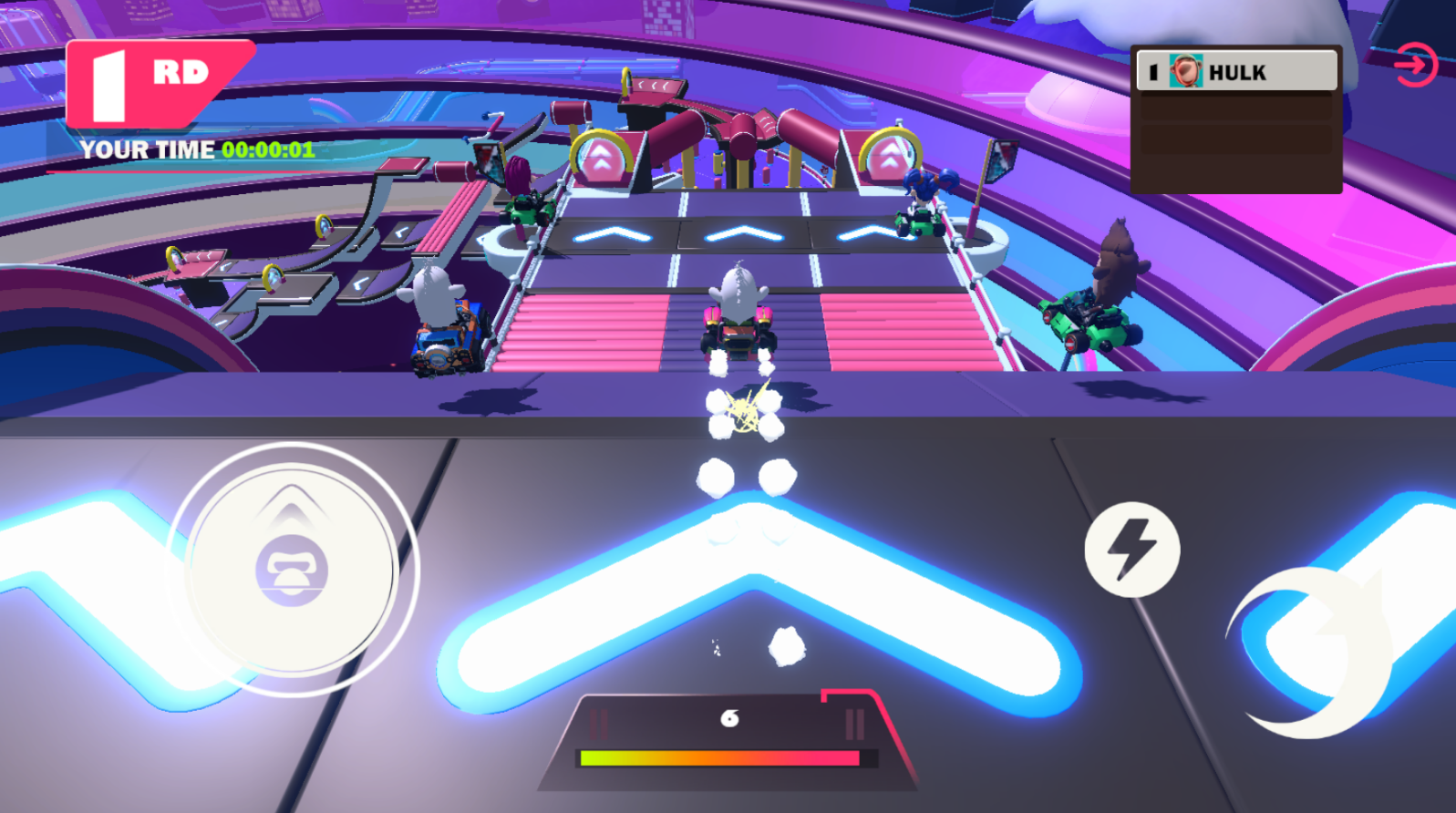
Core Feature Two: Modular Gameplay Encourages Ongoing Player Creation, Enhancing Fun and Extending Game Lifespan Indefinitely.Beyond standard seasonal races, KartParty introduces modular gameplay: similar to dress-up games like *Miracle Nikki*, players in KartParty can equip various components onto their karts, creating uniquely customized vehicles with distinct attributes and skills. The virtually unlimited modular design enables infinite combinations, spawning new gameplay modes and transforming players from mere participants into creators. This customization empowers self-expression, significantly boosting engagement and retention.
Additionally, KartParty plans to further develop UGC (User Generated Content) innovations, with the team currently building an AI-powered editor using ChatGPT-4. This open-access tool will allow players to generate stickers, car skins, garage decorations, driver outfits, and even narrative tags for their avatars via text or image input. These creativity-driven features elevate KartParty from a simple racing game into a personalized space for racing enthusiasts.
Core Feature Three: Strong Social Mechanics Deepen Psychological Engagement and Emotional Investment.Each KartParty season lasts 90 days. Holders of the Genesis NFT (YAKUZ) and PFP (RACER-K) receive enhanced in-game rewards and exclusive titles. Furthermore, in-game guilds (clubs) unlock advanced race scenarios and kart development options. Players can learn skills such as repair, modification, refueling, and detailing, offering services to others—greatly enhancing player interaction and in-game trade.
Social features not only foster emotional connections among players but also enable a self-sustaining UGC ecosystem. Beyond pure racing excitement, KartParty aspires to be a friendly platform for global racing fans to exchange design ideas, discuss performance strategies, share victories, and find supporters.
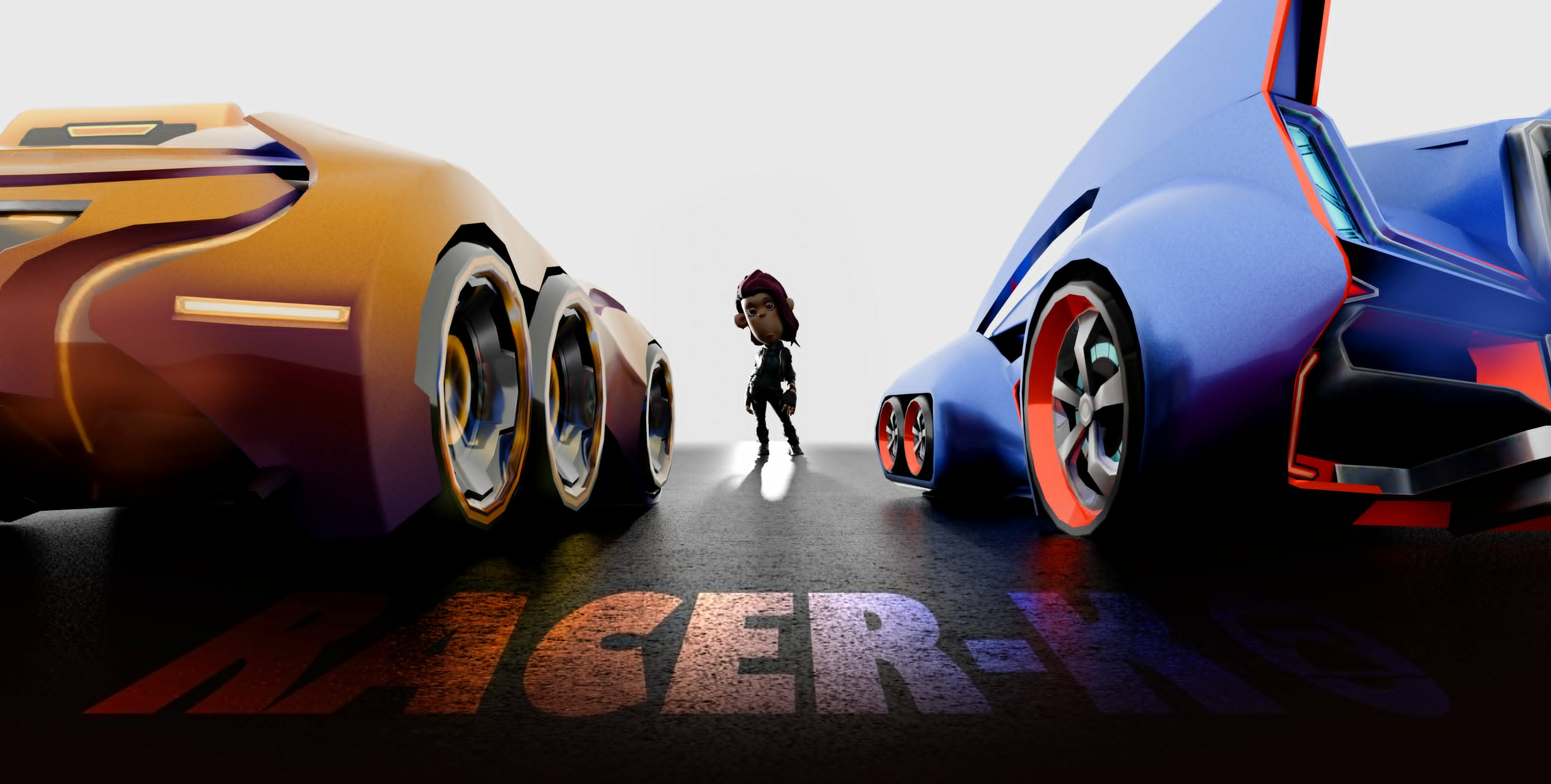
Of course, execution is key. With a team deeply experienced in the gaming industry, KartParty brings exceptional credentials to immersive game development.
Artistic Vision Ensures High Quality: Shin Joon-woo, KartParty’s Chief Artist and Co-founder, previously served as Lead Artist for *Lineage*. Several advisors have held art consultant roles at top Korean studios like NCsoft and Bluehole Studio, bringing over 12 years of industry expertise.
Technical Expertise Provides the Foundation: Core developers have worked on AAA titles, collectively shipping over 40 games since 2014—including *Call of Duty: Mobile*, *Final Fantasy VII*, *Gears 5*, *Cyberpunk 2077*, *Diablo IV*, and *Anthem*. Their proven track record ensures KartParty is built on solid technical ground.
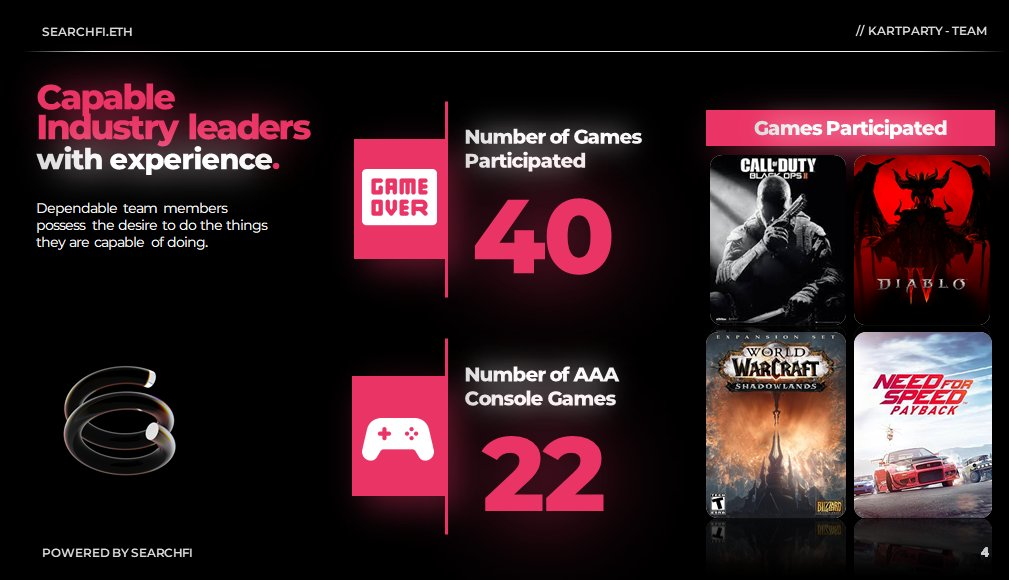
Years of Industry Immersion Have Built Strong Partnerships: KartParty collaborates with elite companies such as Activision Blizzard, EPIC (Unreal Engine), Sony Naughty Dog, Microsoft, 2K Games, EA, NetEase, and Tencent—giving it access to cutting-edge technology, operational insights, and user acquisition support.
Strategic Marketing Ensures Visibility: Based in East Asia—the region accounting for over 50% of the global gaming market—KartParty benefits from a rich talent pool, large player base, and strong market advantages. Additionally, the project’s operations lead brings over 17 years of experience in game operation, marketing, and publishing, having worked on major hits like *World of Warcraft*, *Million Arthur*, and *Chain Chronicle*.
Such a stellar team lineup not only guarantees game quality but has also attracted financial backing from top-tier institutions including IMX. As an Ethereum-based NFT Layer-2 scaling solution, IMX is widely regarded as foundational Web3 gaming infrastructure. Committed to ecosystem growth, IMX runs support programs to accelerate Web3 game development. As one of IMX’s three flagship games for the year, KartParty shares substantial funding and resources with two other titles, supporting marketing efforts and user incentives. Additional technical, promotional, and user traffic support further strengthens KartParty’s growth trajectory.
NFT + Dual-Token Model: A Powerful Economic Engine
In terms of playability, KartParty already demonstrates strength comparable to Web2 games. However, economic model design ultimately determines whether a game can sustain long-term success. Integrating blockchain and decentralization primarily enhances the game’s economic dimension—returning true asset ownership to players and enabling sustainable in-game earnings through a circular economy.
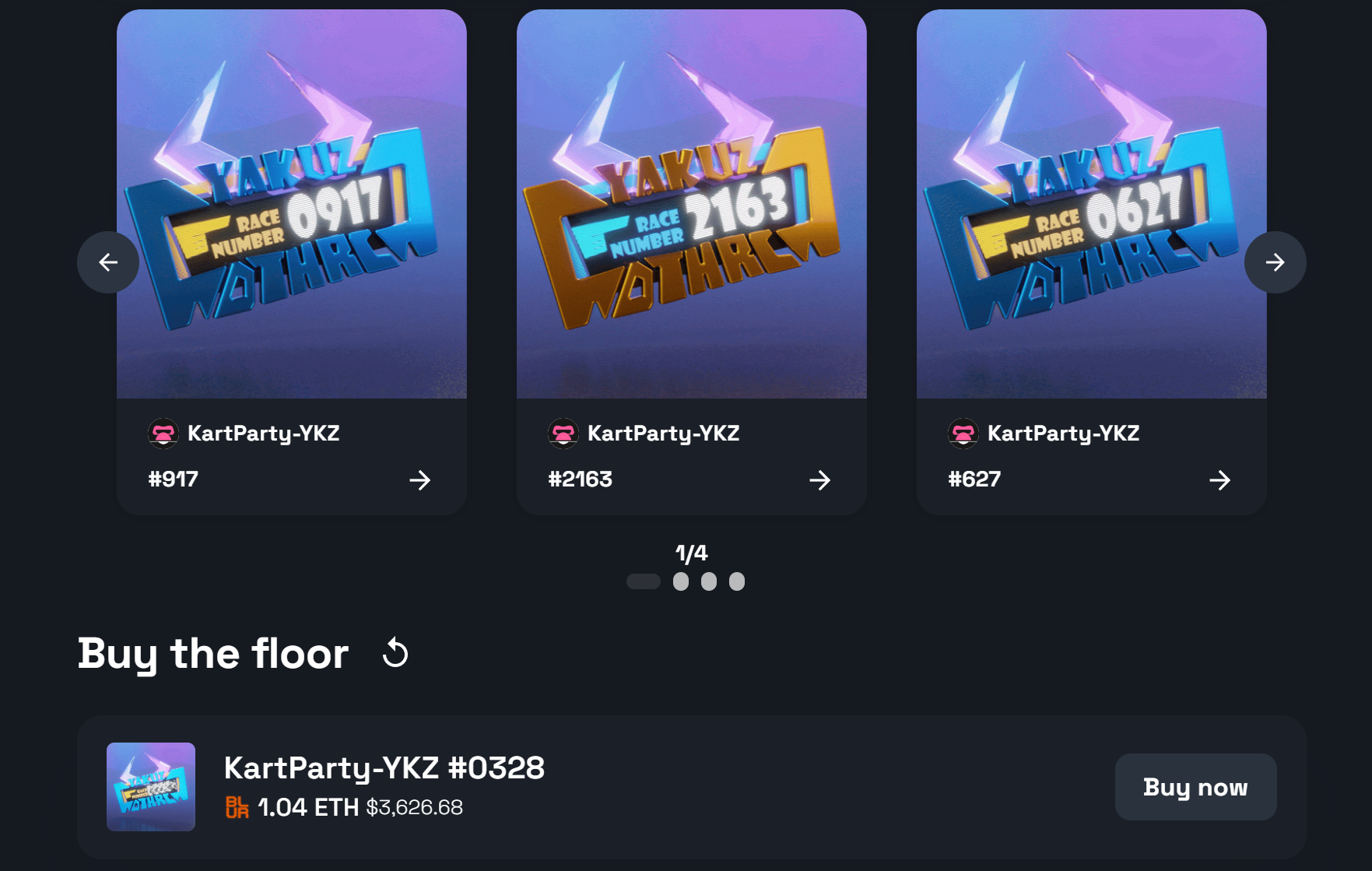
In KartParty’s design, NFTs are central to the economic loop. They serve as core in-game assets—equipping different component modules enhances a kart’s performance across various dimensions. NFTs can also be upgraded by consuming tokens, improving competitiveness. Moreover, NFTs represent ownership rights: they tie into future airdrops, grant priority access to closed tests, and allow staking—or combined staking—for yield generation. The successful launch of the Genesis NFT series Kartparty-YKZ reflects strong market confidence in the game’s NFT value proposition.
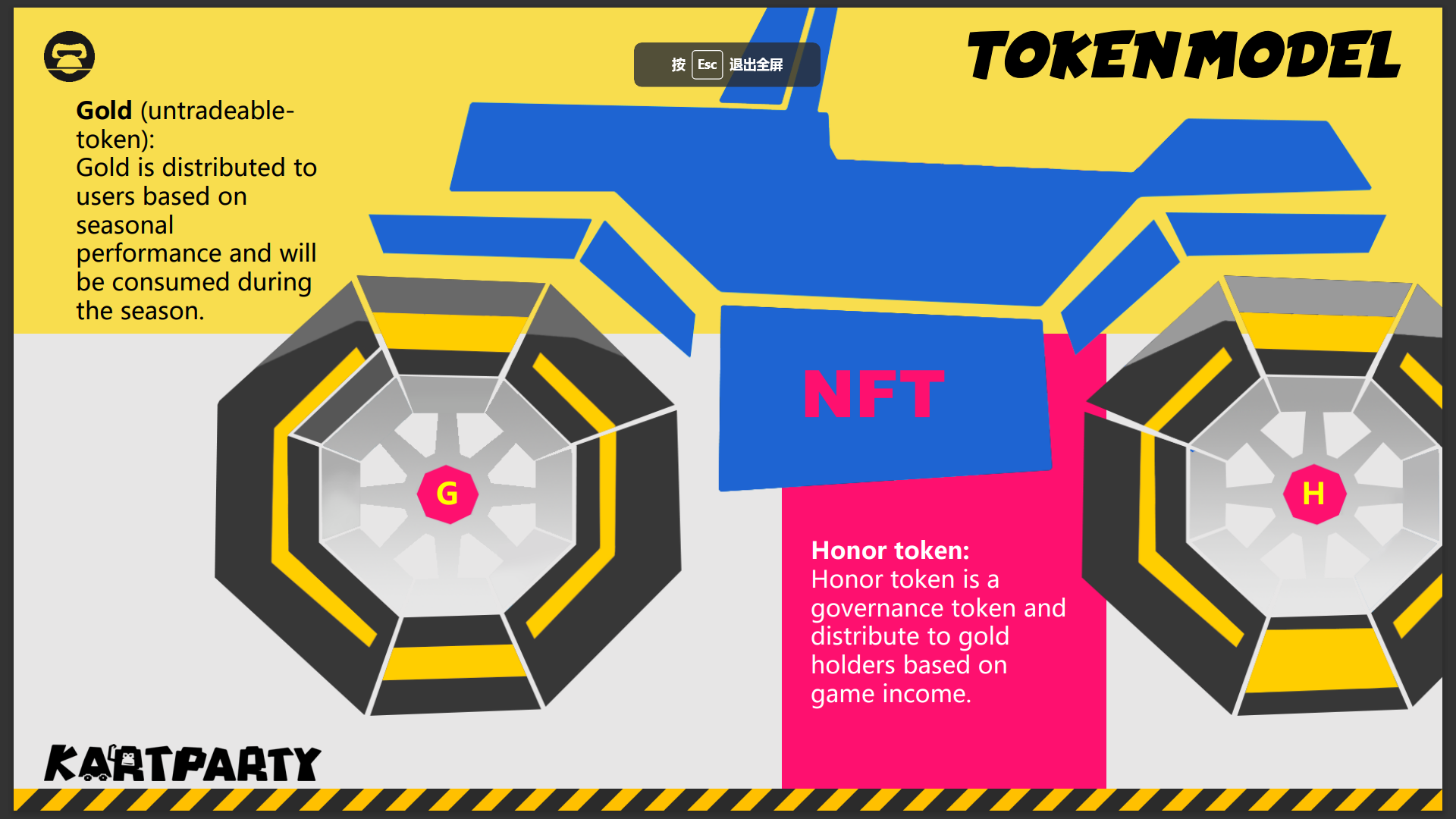
Like many Web3 games, KartParty adopts a dual-token model:
-
GOLD: Utility token
-
HONOR: Governance token
The benefits of a dual-token model are clear: utility tokens help minimize governance token dilution, while governance tokens help control utility token inflation.
GOLD, the utility token, has an uncapped supply and is used exclusively within the game. This accommodates game expansion, incentivizing more players to join, engage, and explore deeper gameplay. It also stabilizes token pricing, preventing volatility from deterring new players. HONOR, the governance token, has a fixed total supply of 1.2 billion, aiming to create a stable governance environment. With limited supply, effective reward mechanisms empower holders, while sound governance supports sustained project growth.
However, designing a dual-token economy is complex. Balancing supply and demand dynamically remains a major challenge. To ensure NFTs, GOLD, and HONOR each fulfill their roles while driving a positive in-game economic cycle, KartParty has implemented multifaceted designs around token issuance, consumption, and interconnectivity:
For the GOLD token: Players can earn GOLD through official tournaments, end-of-season rankings, or purchases from the official store. GOLD can then be spent on kart maintenance (refueling, repairs, detailing), NFT upgrades, exchanging for HONOR, or combining with HONOR to mint new in-game NFTs.
For the HONOR token: Players can obtain HONOR at season-end by exchanging GOLD. HONOR can then be converted into points for governance participation and revenue sharing, or used alongside GOLD to mint new NFTs, lease in-game commercial facilities (e.g., gas stations, repair shops), or upgrade guilds.
Leveraging blockchain’s core attributes—decentralization, transparency, and immutability—KartParty offers a fair and open competitive arena. Transparent economic rules ensure equitable reward distribution, while asset ownership, transactions, and transfers are traceable and verifiable. Most importantly, powered by the NFT and dual-token synergy, KartParty is evolving into a Web3 positive-sum game—distinct from zero-sum Web2 models—where all participants can benefit.
Looking Ahead: Deepening Commitment to Sustainable Development
As mentioned earlier, the first NFT drop consisted of 700 free mints. Holders received eligibility for all future NFT airdrops, along with in-game Battle Pass access and token rewards. Currently, the team is actively preparing for the launch of its second NFT series, with minting details soon to be announced via KartParty’s social media channels—players are encouraged to stay tuned.
Moreover, with the upcoming test and full releases, supported by IMX’s substantial funding and resources, additional player incentive campaigns and airdrops are being planned.
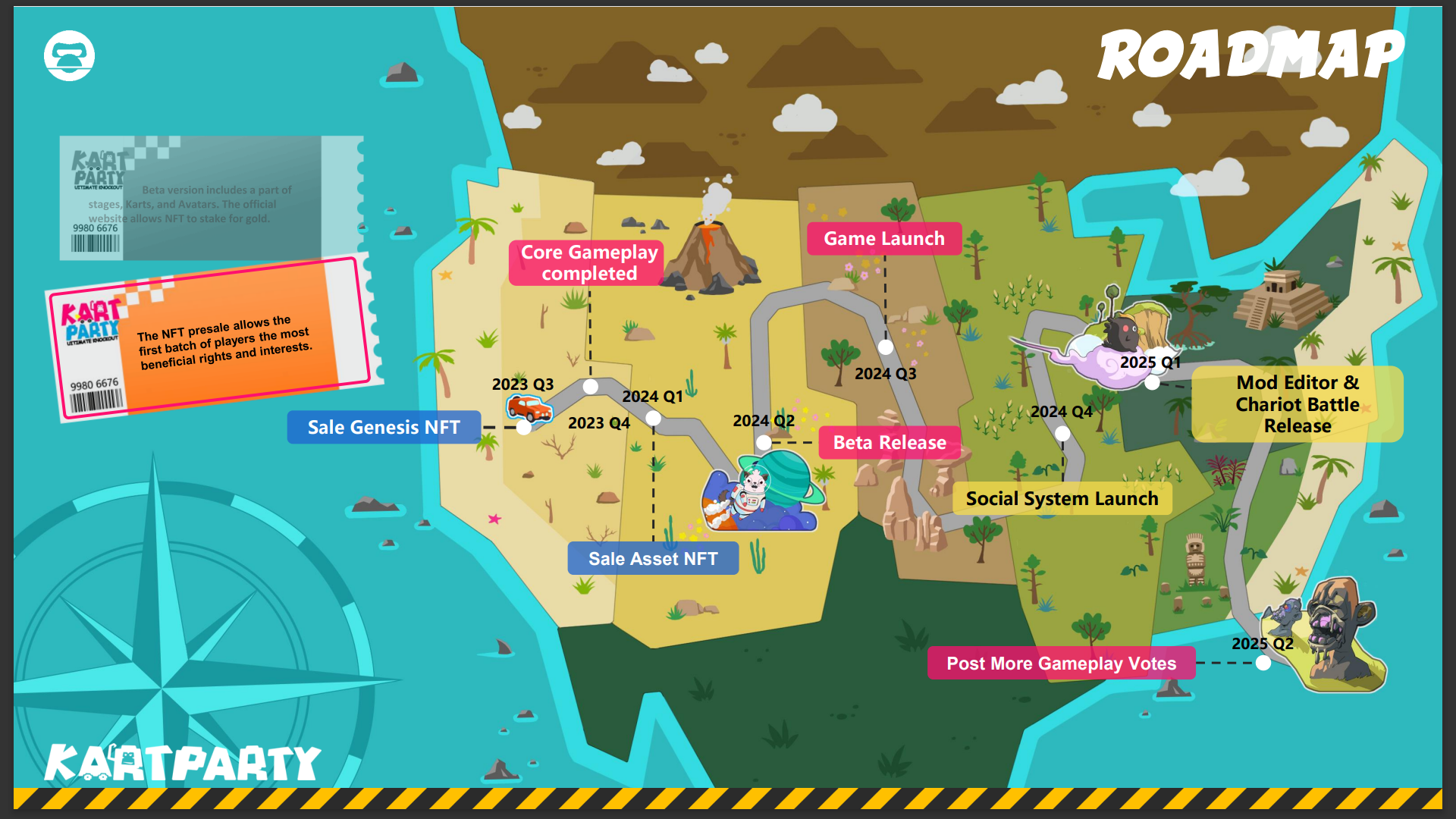
Beyond the second NFT drop, the most anticipated milestone is the game test version release. The team plans to launch the test version in Q1 2024, with Genesis NFT holders receiving priority access. Multiple gameplay clips and videos have already been shared on social media, offering a preview for those interested in Web3 racing. After testing concludes, the team will refine the game based on community feedback, with the full release scheduled for Q2 2024.
Throughout this process, KartParty will continue optimizing its features and advancing its sustainability goals: introducing more modular NFTs for greater customization, while accelerating UGC functionality by granting players expanded editing permissions. Together, these enhancements promise richer, more personalized experiences. Notably, KartParty places strong emphasis on community, so social features remain a top priority—expected to roll out in Q3 2024.
Looking further ahead, as more game modes, tracks, and features are introduced, KartParty may explore online-offline integration strategies. Leveraging its strong industry presence, the project could partner with real-world automotive brands, bringing branded cars and emblems into the game—further energizing the in-game economy and enriching player immersion.
Conclusion
Focusing on the Web3 gaming landscape, it's clear that both Web2 and Web3 players hold high hopes for Web3 games. Web2 gamers seek accessible Web3 experiences—easy to understand and join—that help them escape centralized systems. Meanwhile, Web3 enthusiasts hope for truly polished, highly playable games that showcase the full potential of Web3, attracting new users and accelerating broader adoption.
With ongoing feature improvements and the imminent test version launch, KartParty is poised for rapid growth in the coming months. Amid rising community expectations and shifting market dynamics, we look forward to KartParty—and the entire Web3 gaming sector—delivering standout performances in 2024.
Join TechFlow official community to stay tuned
Telegram:https://t.me/TechFlowDaily
X (Twitter):https://x.com/TechFlowPost
X (Twitter) EN:https://x.com/BlockFlow_News
 深潮TechFlow







