Omnicat Surges 50x, Leading Cross-Chain Frenzy: What Other Cross-Chain Projects Are Worth Watching?
TechFlow Selected TechFlow Selected
Omnicat Surges 50x, Leading Cross-Chain Frenzy: What Other Cross-Chain Projects Are Worth Watching?
The full-chain narrative may soon become popular.
 Navigating Web3 tides with focused insights
By TechFlow
On the eve of Christmas, the "pump-and-dump" craze continues.
On December 22, a meme project called omnicat quietly emerged. Its token, OMNI, surged over 50x within just 24 hours of launch—outshining all previous standout pet-themed meme coins like dogs, cats, chickens, and dragons.
The rapid price surge quickly drew attention and shifted market focus.
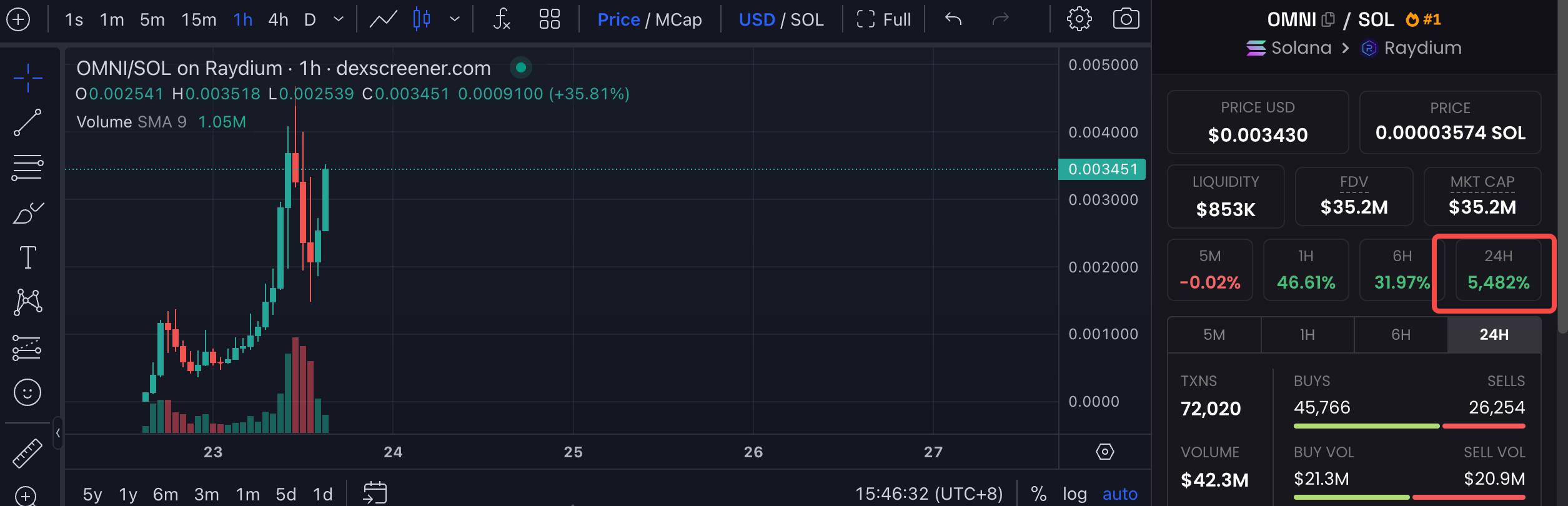
If you search for OMNI on on-chain trading tools like Dexscreener, you’ll notice something unusual:
Unlike most meme tokens that exist on a single chain, omnicat has liquidity across nearly every major blockchain. Upon closer inspection of the contracts, you'll see this isn't a case where one successful omnicat launched on one chain and copycats appeared elsewhere. Instead, each chain hosts its own contract starting with "OMNI."
And remarkably, the price of OMNI across each chain is almost identical.
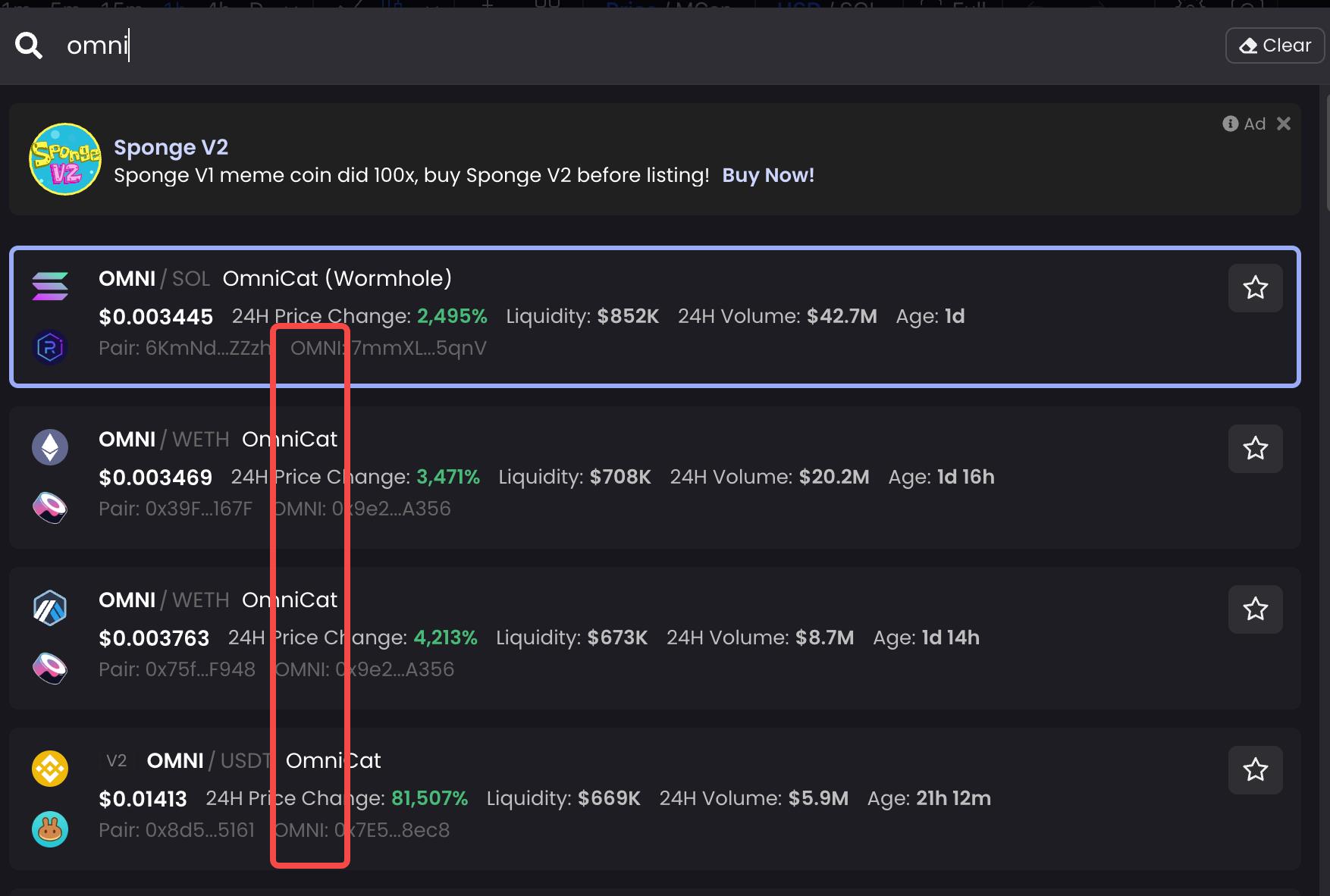
Clearly, omnicat is an “omnichain” meme coin.
Note: In trading contexts, omnichain and cross-chain are fundamentally different. The former doesn’t care which chain or gas token you use; the latter requires transferring assets from one chain to another to purchase the token.
Obviously, the former offers higher transaction efficiency and broader accessibility. For on-chain degens, this could be more convenient than using certain exchange Web3 wallets that automatically handle cross-chain swaps and gas calculations—just check which chain you hold more assets on, and go all-in.
If you look further into omnicat’s Twitter profile, it even proudly declares in its bio: “We are the first omnichain meme coin, powered by LayerZero.”
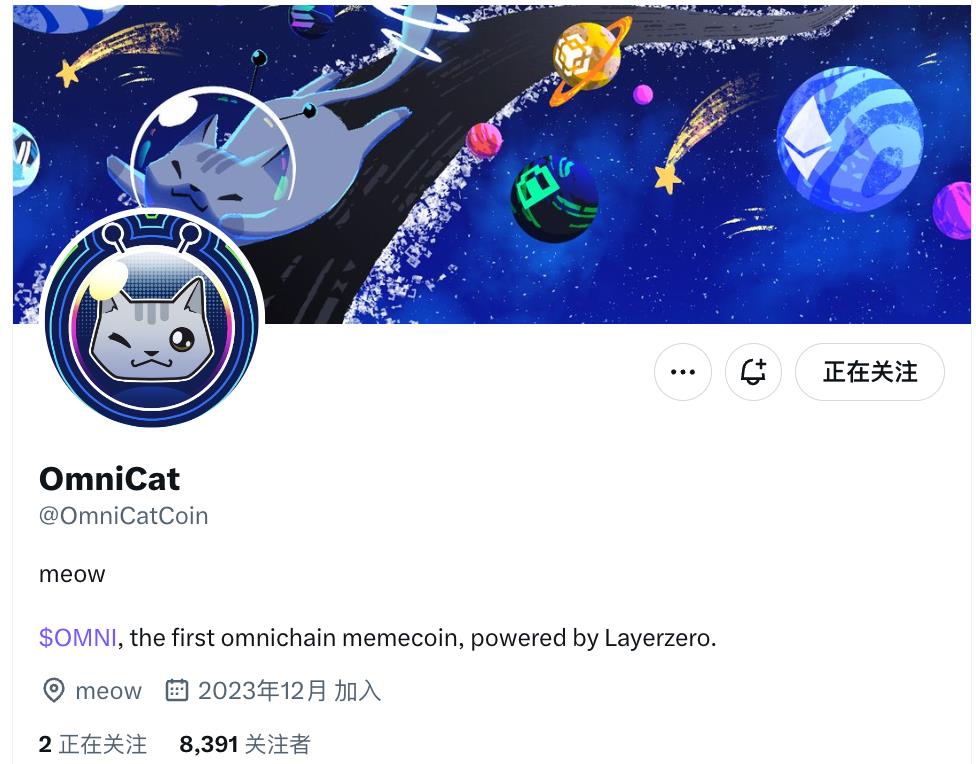
While the cat mascot of omnicat looks unremarkable, using Omnichain technology to make meme coins universally available across ecosystems is unprecedented.
Behind the popularity of meme coins lies not only their design and cultural resonance—but also how rapidly they achieve price discovery and explosive growth, signaling that markets are now embracing new narratives:
The omnichain narrative may soon go mainstream.
Review: What Does “Omnichain” Mean?
When talking about omnichain, some new readers might think of “fully on-chain games.”
Actually, these are two different concepts.
Fully on-chain games refer to games whose entire logic runs directly on the blockchain, contrasting with traditional games where part of the logic remains off-chain.
In contrast, meme coins like omnicat use “omnichain” to mean deploying assets across multiple chains.
Thus, for fully on-chain games, “full” means “entirely”; but for current projects like omnicat, “full” means “multiple.”
As early as July last year, Vitalik mentioned on the Ethereum forum that the future will be multi-chain, but not cross-chain, due to fundamental security limitations of bridges connecting multiple “sovereign zones.”
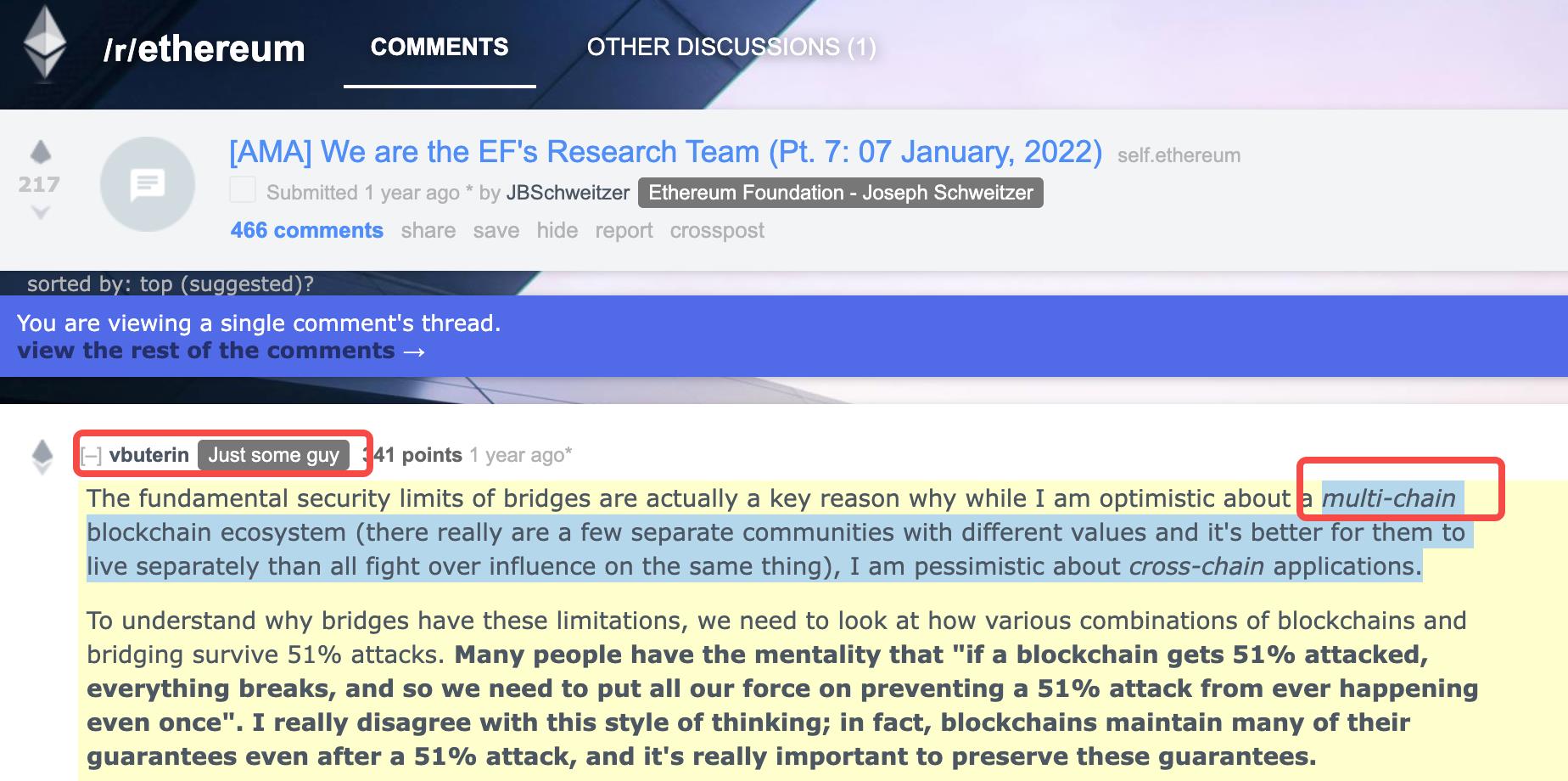
(Further reading: "Vitalik: The Future Will Be Multi-Chain, Skeptical About Cross-Chain Applications")
Multi-chain refers to blockchain interoperability—enabling different blockchains to communicate and interact (including transferring information, metadata, and assets between chains).
To solve these challenges and break down barriers in cross-chain technology, a new paradigm known as "omnichain" has emerged.
Omnichain interoperability breaks through the limits of cross-chain systems, enabling all blockchains to interoperate and bringing together both EVM and non-EVM compatible chains into an interconnected DeFi multichain ecosystem, unlocking composability across chains.
Within this omnichain technological landscape, LayerZero stands out as the most well-known player.
LayerZero is a universal data communication protocol that securely and simply transfers information across chains, enabling cross-chain application communication. By deploying lightweight clients called “LayerZero Endpoints” (composed of smart contracts with communication, verification, and networking functions) on respective chains, users can achieve trustless, secure cross-chain transactions in a single step.
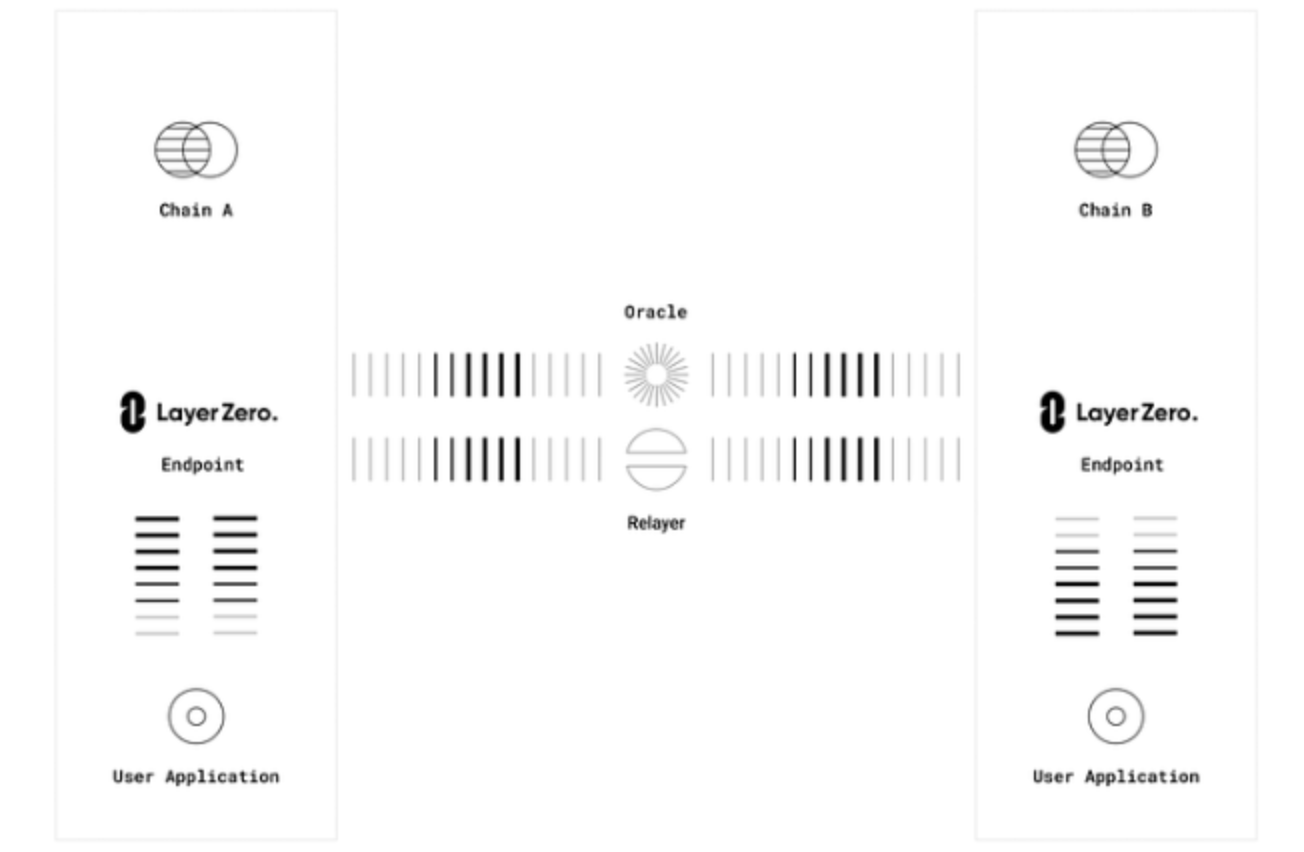
(Further reading: "Peeking Into LayerZero’s Omnichain Ambition: Connecting All Chains, Unlocking Everything")
The official omnicat Twitter account stating “powered by LayerZero” likely indicates it uses exactly this kind of technology.
What Other Omnichain Projects Are Worth Watching?
Omnicat has already undergone price discovery, and its surge has rekindled market interest in the potential of the “omnichain narrative.”
Beyond memes, what other projects leveraging omnichain (Omnichain) technology deserve attention?
Metazero: Tokenizing Real-World Game Assets Across Chains
MetaZero is positioned as an innovative synthetic liquidity layer protocol aiming to tokenize real-world gaming assets via LayerZero technology, enabling them to circulate across different blockchains.
The project's goal is to liberate players’ game assets from traditional gaming market constraints, unlocking greater value through on-chain trading.
Take the popular shooter game CS2 as an example. In-game skins come in various rarities, with top-tier ones commanding high prices—some even selling for six figures.
However, trading these assets is inconvenient and lacks strong liquidity, typically occurring on official Steam markets or third-party platforms, often fragmented across regions and services.
With MetaZero, blockchain technology and robust identity verification can create synthetic on-chain versions of these assets, mapped one-to-one with their off-chain counterparts.
These original in-game assets are essentially a form of RWA (real-world asset). Through MetaZero’s workflow, their value can be reflected in NFTs, making tokenization possible and ultimately breaking down the barriers that confine game assets to isolated gaming communities, opening up traditional game asset markets to a broader investor base.
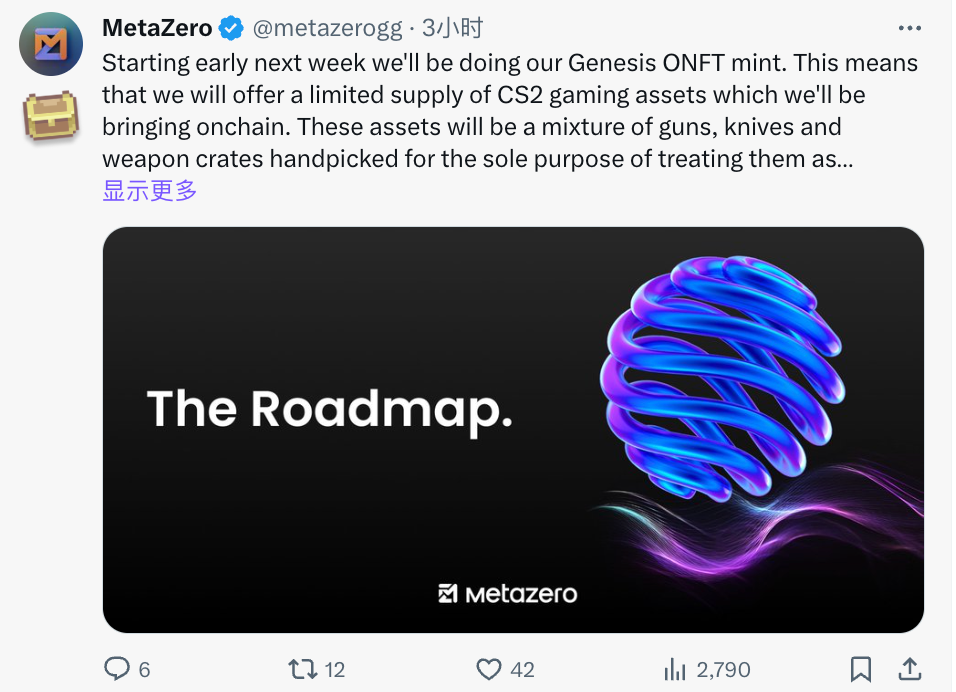
According to its official Twitter, MetaZero will launch the minting of its Genesis ONFT next week. Judging by the naming convention, these NFTs should be omnichain, issuable across multiple chains and linked to limited-edition weapons and cosmetic items in CS2.
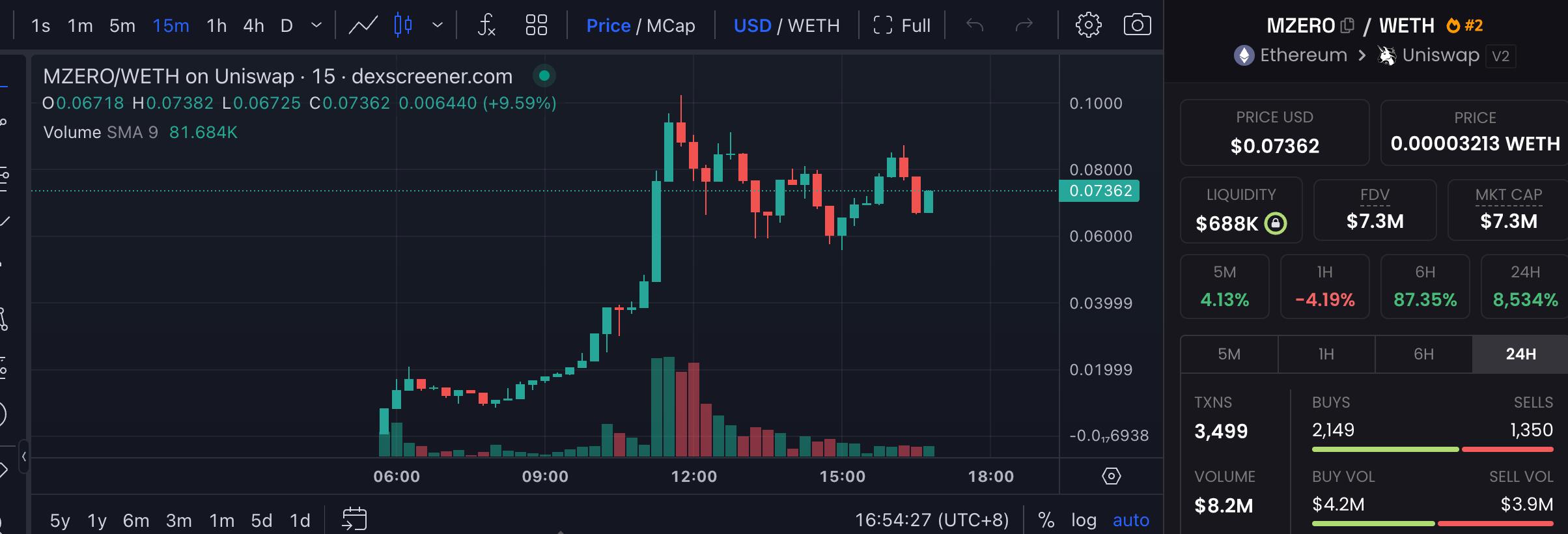
Additionally, the project’s token MZERO went live on Uniswap on December 22. At the time of writing, MZERO has a market cap of around $7.3 million, with a staggering 24-hour gain of 85x.
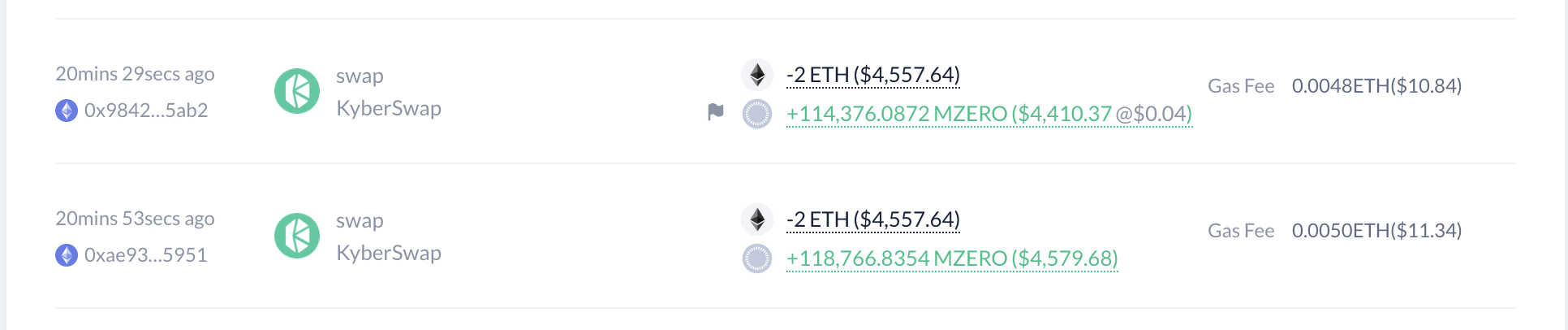
Chain analysis also shows that an address associated with DWF Partners recently purchased MZERO.
Omnisea: Omnichain NFT Launchpad
Just from the name, Omnisea clearly aims to become another Opensea in the NFT space.
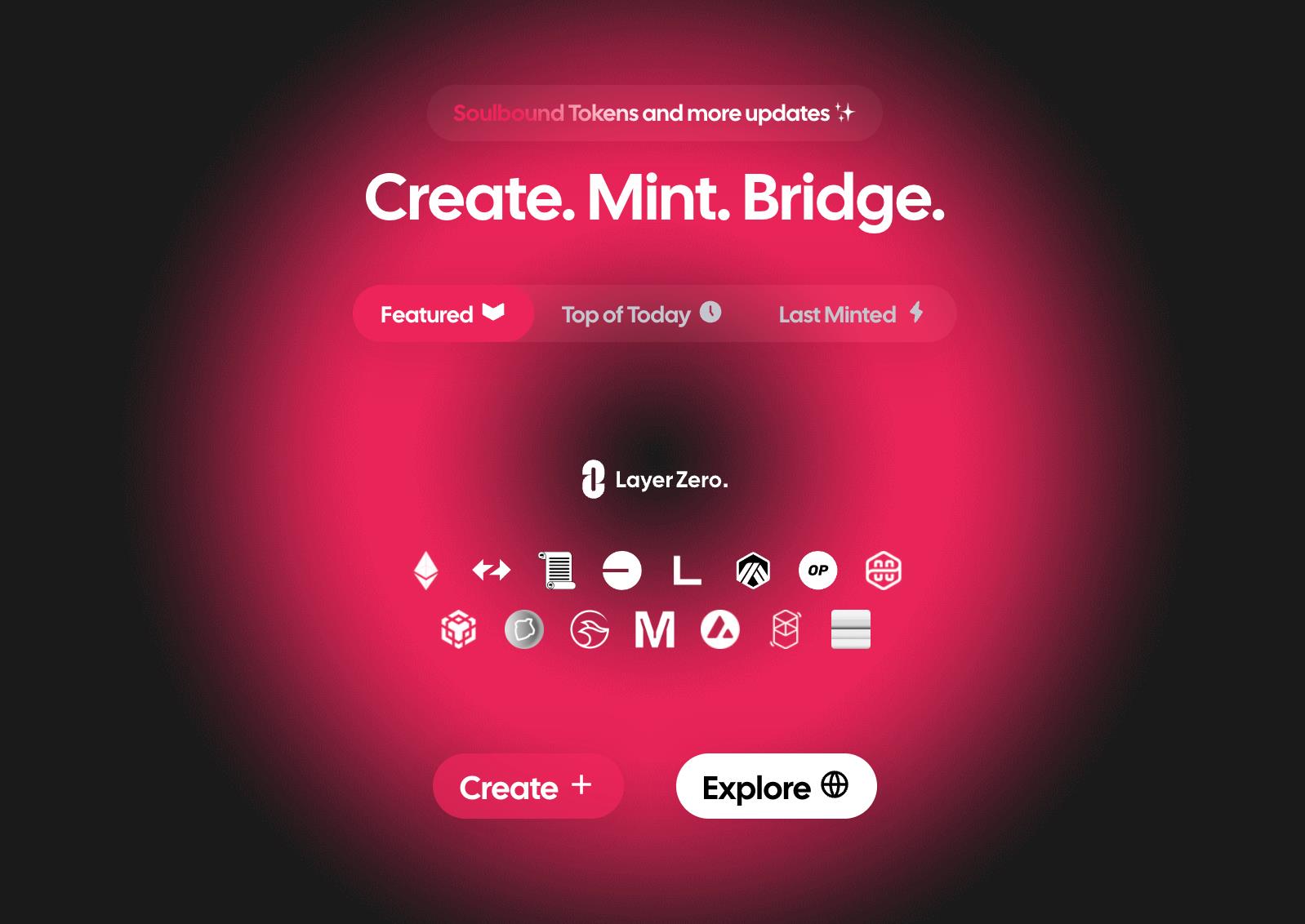
Omnisea is an omnichain NFT launchpad built on LayerZero and Axelar Network, allowing creators to issue NFTs capable of crossing chains via LayerZero.
At its core, Omnisea is a protocol for creating omnichain assets, enabling easy deployment of ONFTs. All NFTs minted through Omnisea utilize LayerZero’s cross-chain messaging.
Meanwhile, the project has developed the OmniseaPortal contract—a permissionless, composable cross-chain NFT bridge supporting all existing ERC721 collections and easily integrable by third-party protocols.
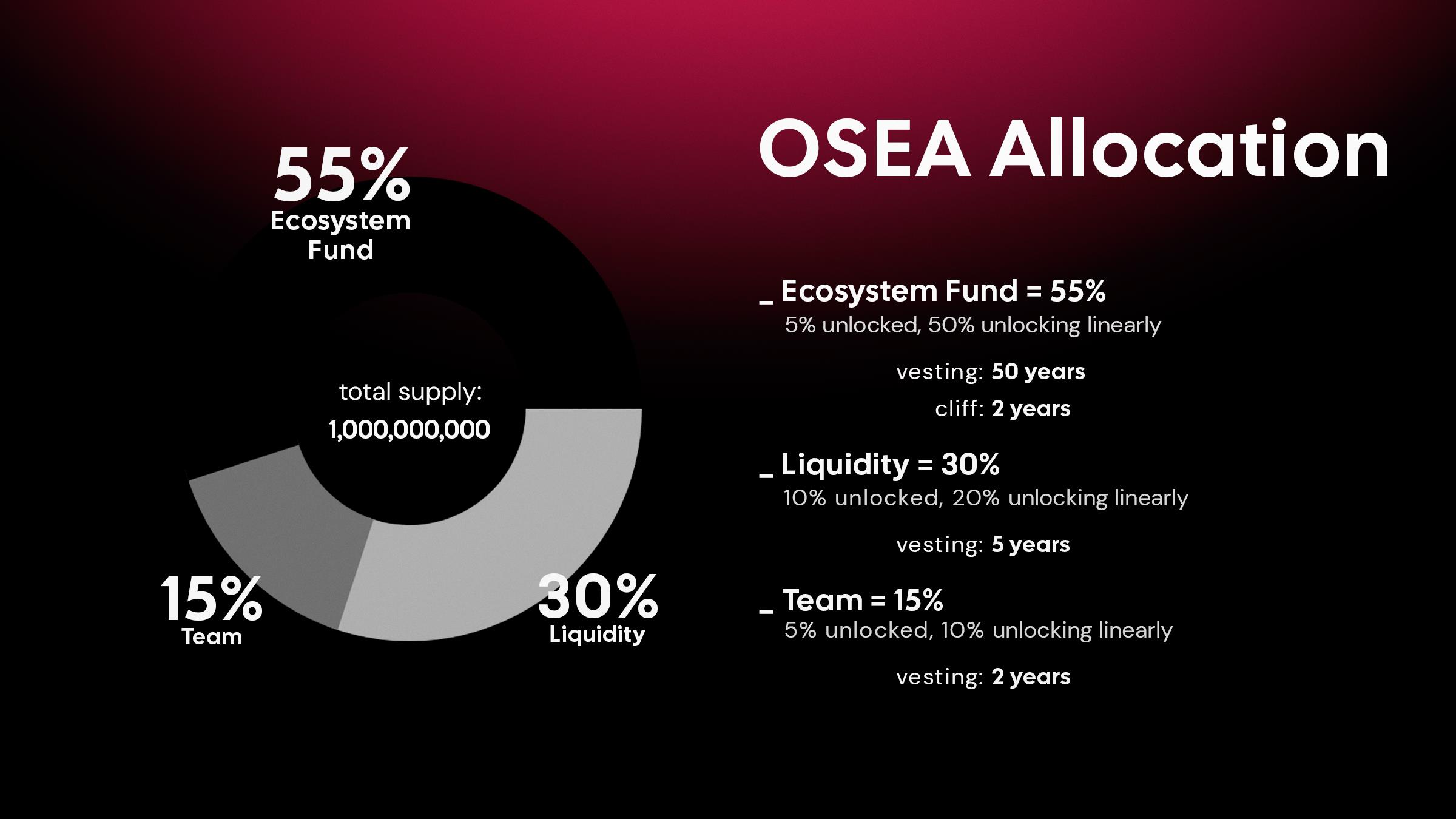
The project’s token is OSEA, with the following allocation: - 55% allocated to the ecosystem fund (for governance), with 5% initially unlocked and the remaining 50% linearly released over 50 years after a 2-year lock-up period.
- 30% for liquidity (used for pool creation, listings, and rewards to OSEA holders), with 10% initially unlocked and the remaining 20% linearly released over 5 years.
- 15% reserved for the team, with 5% initially unlocked and the remaining 10% linearly released over 2 years.
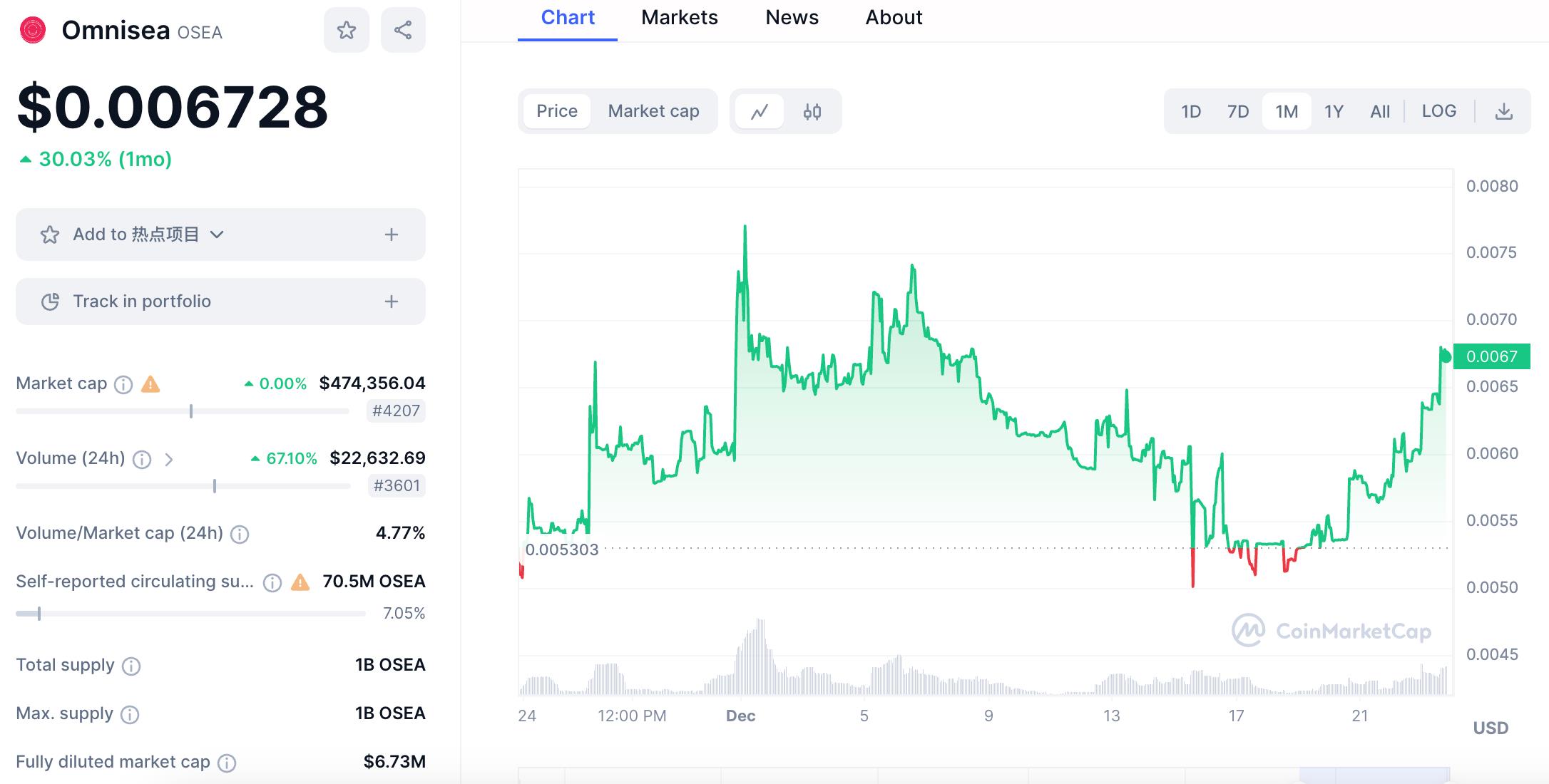
In terms of recent performance, OSEA has gained about 30% over the past 30 days, with a market cap of approximately $470,000. It hasn’t stood out much during the recent mini bull run, and trading venues supporting OSEA remain limited, constraining overall trading volume.
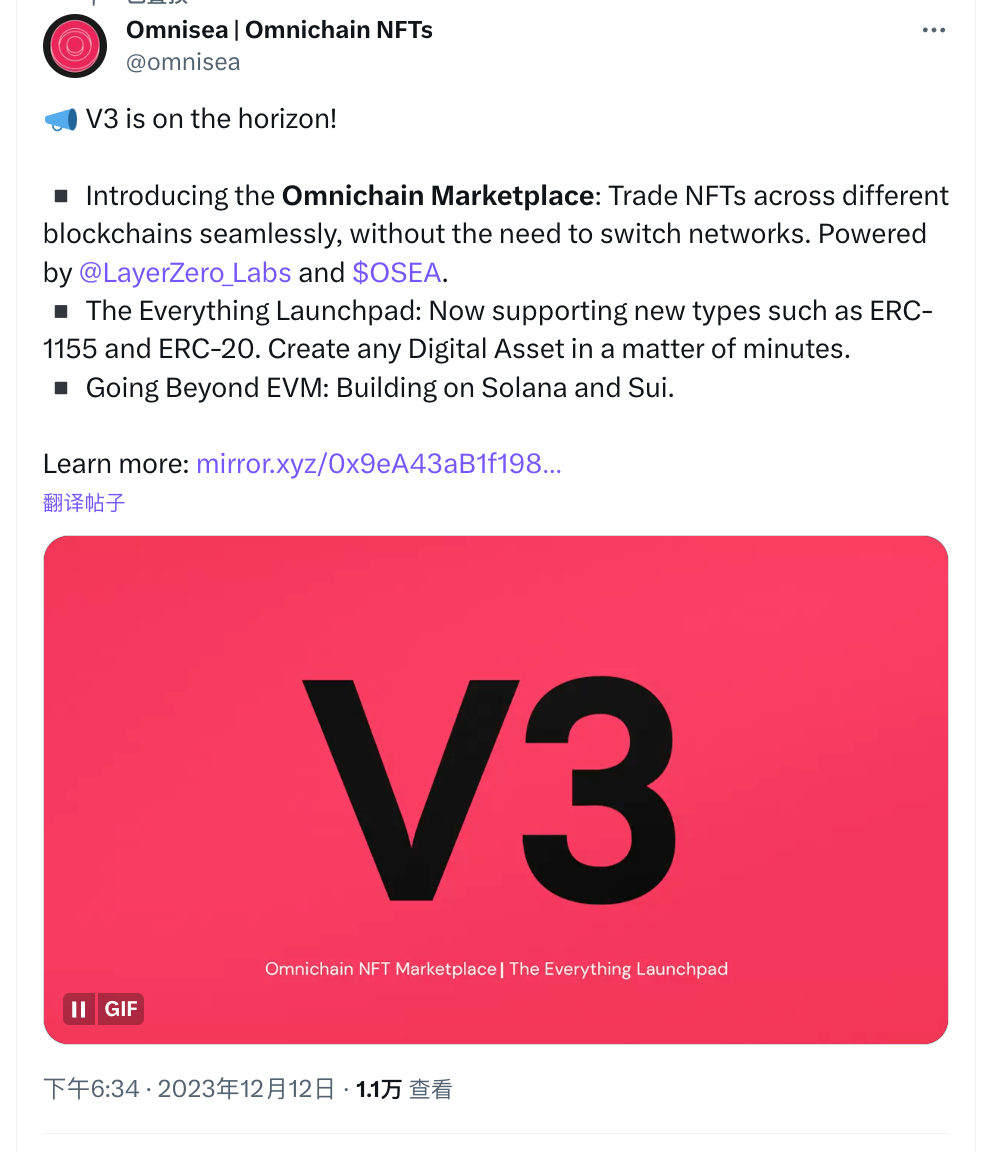
However, the official Twitter indicates that version V3 is即将 launching, enabling seamless NFT trading across different public chains without network switching, supporting additional standards such as ERC-1155 and ERC-20, and offering faster NFT creation—potentially serving as a positive catalyst.
Gh0stly Gh0sts: The First Omnichain NFT
Gh0stly Gh0sts is the first Omnichain NFT series, supported by Layer Zero Labs. The Gh0sts span 7 EVM chains: - Ethereum - Arbitrum - Optimism - Binance Smart Chain - Avalanche - Polygon - Fantom.
The author refrains from deep analysis of the NFTs’ design or cultural themes.
Gh0stly Gh0sts isn’t a new project—it launched its NFT collection back in April last year.
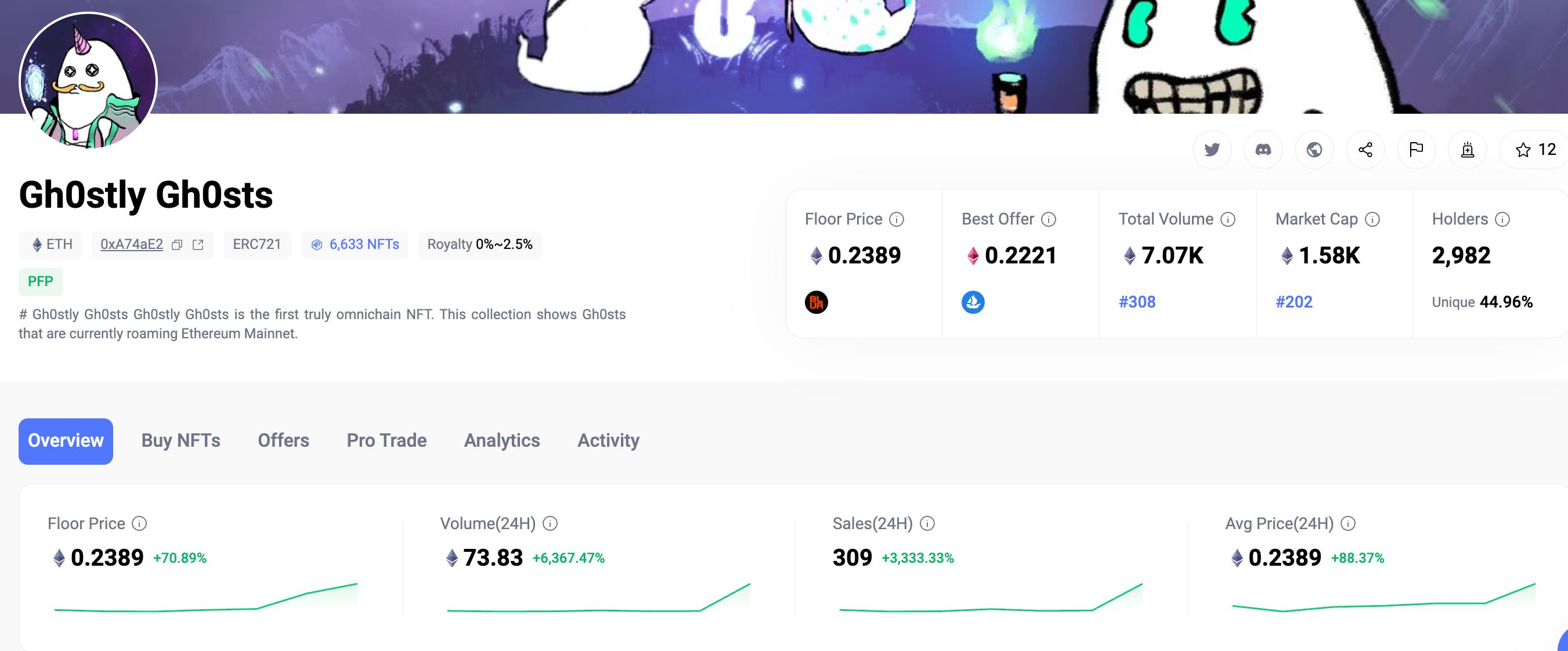
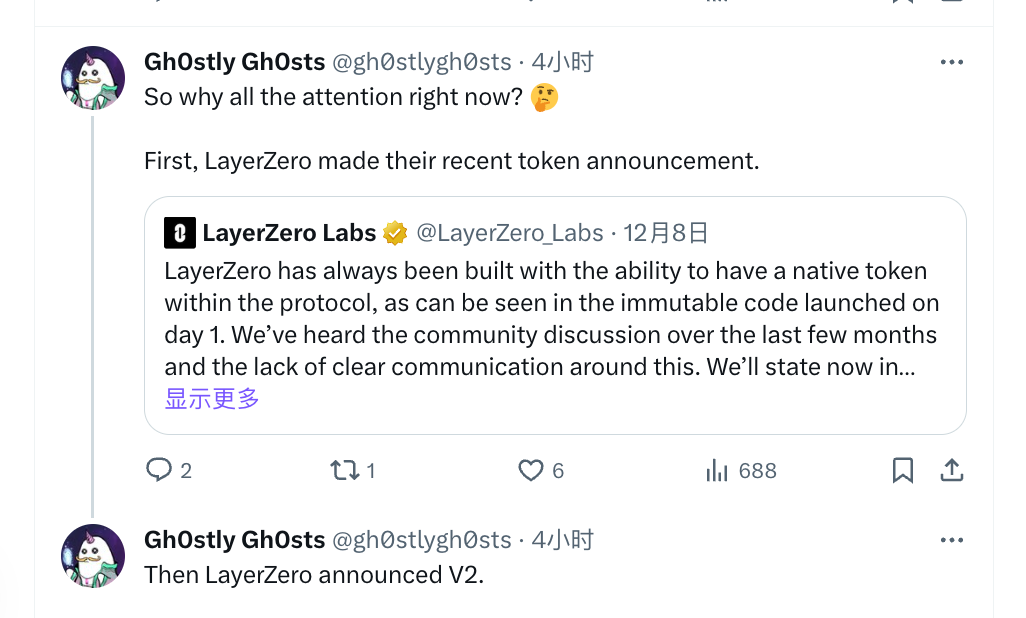
Yet in the past day or two, its floor price has risen about 70%, now sitting around 0.2 ETH, accompanied by significant increases in trading volume and sales. This surge may partly stem from omnicat-driven momentum around the omnichain narrative. Additionally, as noted on its official Twitter, LayerZero recently teased details about its own token design, and a V2 update is imminent.
This may have increased expectations of receiving a token airdrop by holding Gh0stly Gh0sts—or reflect market speculation on securing marketing opportunities by owning omnichain-concept NFTs.
From Solana’s resurgence to Avalanche’s catch-up, we can observe capital and narratives rotating across different chains.
Now, market attention has turned to omnichain.
Omnichain-related memes might just be the beginning. More projects grounded in the omnichain narrative—and backed by solid fundamentals—may soon deliver stronger performance.
Join TechFlow official community to stay tuned
Telegram:https://t.me/TechFlowDaily
X (Twitter):https://x.com/TechFlowPost
X (Twitter) EN:https://x.com/BlockFlow_News
 深潮TechFlow